

Warm walnut decor brings instant depth, softness, and a collected feeling to a home without making rooms feel dark or heavy. Its rich brown tone works beautifully with creamy whites, warm beige, muted greens, black accents, and natural fabrics, making it one of the easiest wood finishes to decorate with right now. In this roundup, you will find warm walnut home decor ideas that feel cozy, elevated, and genuinely livable. Some are simple styling changes, while others help you shape the whole mood of a room using walnut furniture, trim, lighting, and layered accessories. Whether you love modern spaces, classic interiors, or a more organic look, these ideas can help you use walnut in a way that feels fresh and welcoming. Think of this as practical inspiration you can actually bring home, not showroom perfection, for everyday living and comfort.
Quick List:
- Warm Walnut Entryway Console Styling
- Walnut Floating Shelves for Everyday Display
- Cozy Walnut Coffee Table Moment
- Warm Walnut Dining Chairs
- Walnut-Framed Mirror for Soft Contrast
- Walnut Side Tables for Easy Warmth
- Warm Walnut Media Wall Design
- Walnut Kitchen Stools for a Warmer Island
- Walnut Picture Frames for Richer Wall Decor
- Walnut Bedroom Headboard for Cozy Depth
Warm Walnut Entryway Console Styling
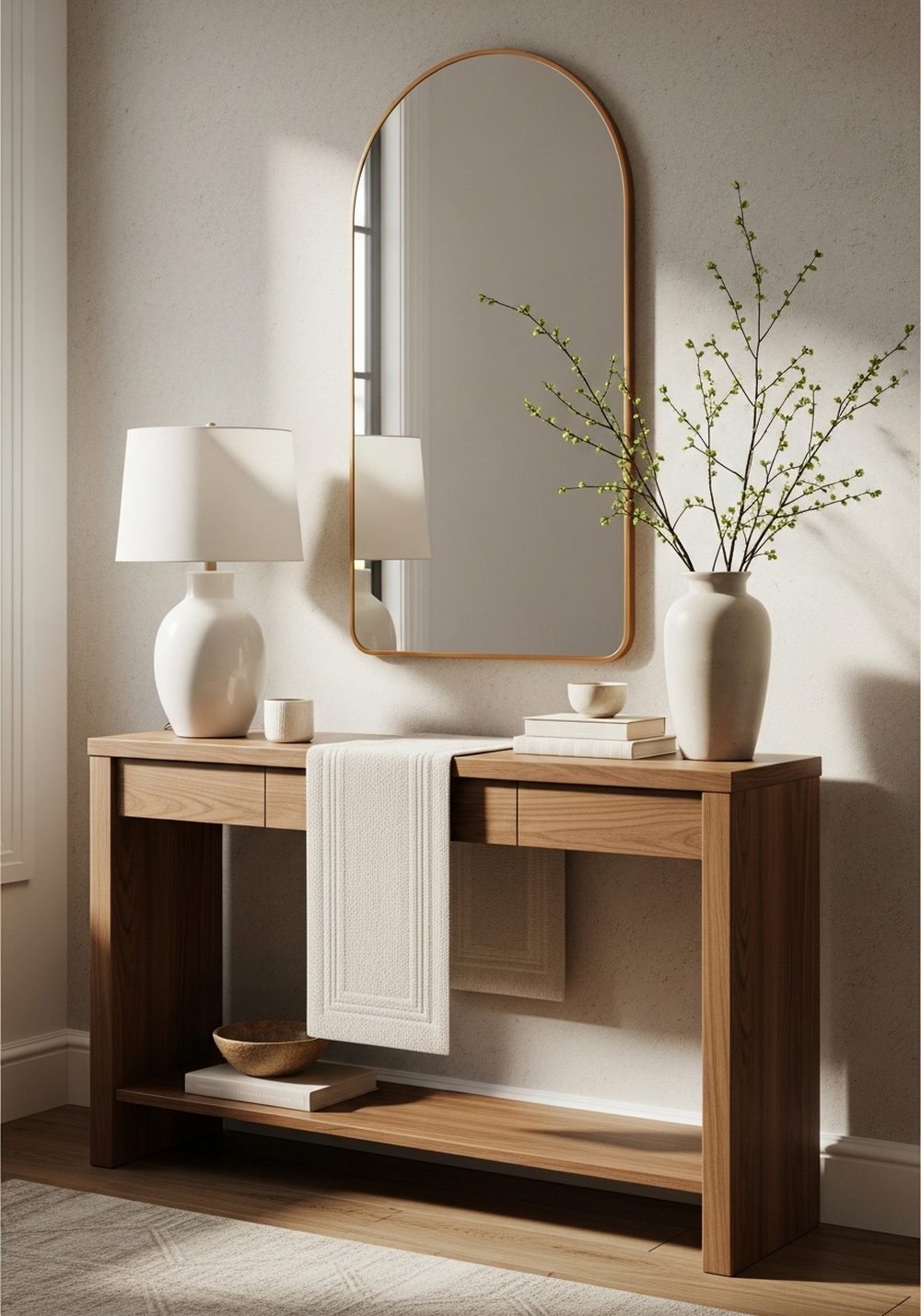
A warm walnut console table can anchor an entryway while making the first steps into your home feel polished and inviting. Choose a design with simple lines, then style it with a ceramic lamp, a shallow bowl for keys, a small stack of books, and a branch-filled vase. The walnut tone adds warmth against pale walls and stone or tile floors. Finish the look with a soft runner and a mirror above it, so the area feels brighter, balanced, and intentionally layered every day beautifully.
Best For: Small entryways that need warmth and structure.
Where To Place It: Against the main entry wall or behind a front door with clearance.
Color Palette Tip: Pair walnut with ivory, greige, muted olive, and soft black accents.
Materials / Items Needed: walnut console table, mirror, ceramic lamp, bowl, books, vase, runner
Budget Level: Medium – Easy to style beautifully without redoing the whole space.
DIY Difficulty: Easy – Mostly about arranging a few balanced decor pieces.
Style It Like This: Use one tall item and one low item. Add a soft runner underneath. Keep accessories edited, not crowded.
Common Mistake To Avoid: Overfilling the tabletop so the entry feels messy instead of welcoming.
Walnut Floating Shelves for Everyday Display
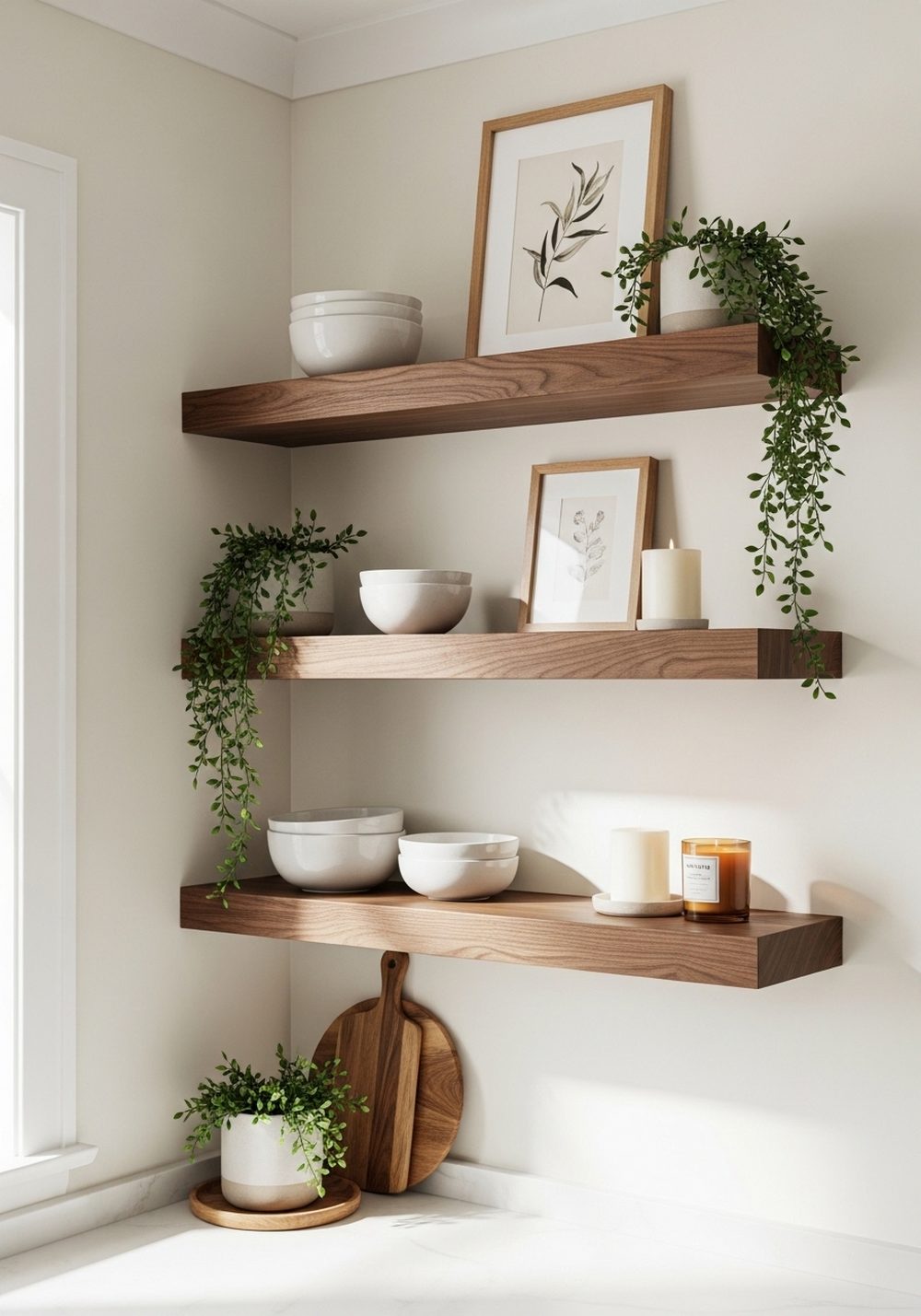
Walnut floating shelves are perfect when you want storage to feel decorative instead of bulky. Their warm tone softens kitchens, living rooms, and even bathrooms, especially when paired with creamy walls and matte black or brass accents. Keep the shelf styling relaxed by mixing practical pieces with a few beautiful ones, like bowls, framed art, candles, and trailing greenery. Leaving some open space is important because walnut already has strong visual presence. The result feels organized, airy, and warm rather than overcrowded in smaller homes.
Best For: Kitchens, bathrooms, and living rooms needing open storage.
Where To Place It: Above counters, beside a range hood, or on a blank living room wall.
Color Palette Tip: Walnut looks especially soft with white, sand, sage, and brushed brass.
Materials / Items Needed: walnut shelves, brackets, bowls, framed art, candle, greenery, hardware
Budget Level: Medium – A stylish upgrade that also adds useful storage.
DIY Difficulty: Medium – Requires level installation and proper wall anchoring.
Style It Like This: Mix practical items with decor. Leave breathing room between objects. Repeat similar tones for cohesion.
Common Mistake To Avoid: Packing shelves too tightly and losing the airy, elevated effect.
Cozy Walnut Coffee Table Moment
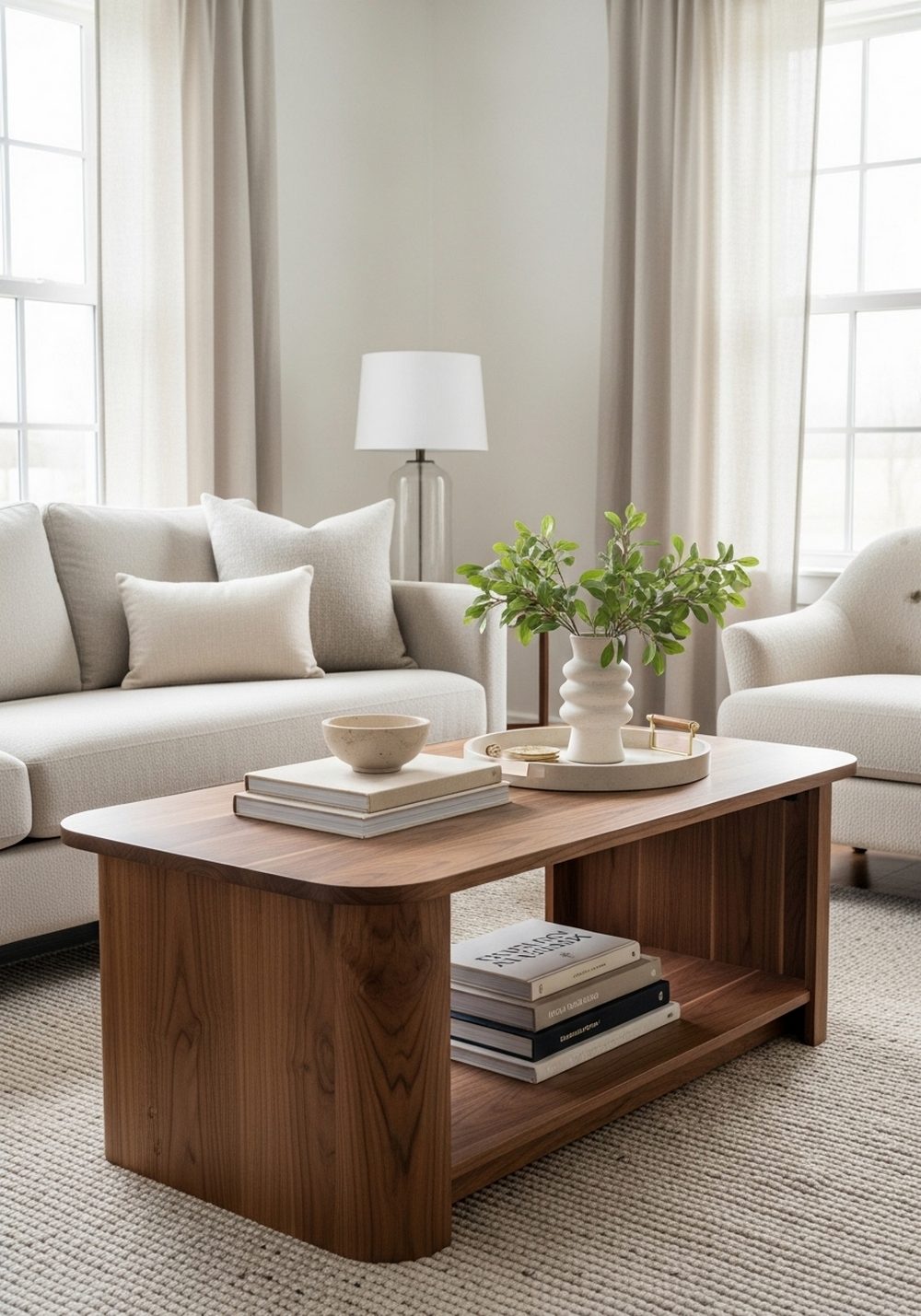
If your living room feels flat, a walnut coffee table can add the depth it is missing without overwhelming the space. Look for rounded corners or a sculpted silhouette to keep the room feeling easy and welcoming. Walnut pairs especially well with oatmeal upholstery, textured rugs, linen curtains, and soft lighting. Use the tabletop for a balanced arrangement with books, a tray, and one organic element like a wooden bead strand or fresh greenery. It makes the seating area feel grounded, finished, and thoughtfully designed.
Best For: Living rooms that need a warmer focal point.
Where To Place It: Centered in front of a sofa with enough walking space around it.
Color Palette Tip: Pair walnut with warm taupe, cream, rust, and muted charcoal.
Materials / Items Needed: walnut coffee table, tray, books, candle, greenery, rug
Budget Level: Medium – One strong piece can shift the whole room visually.
DIY Difficulty: Easy – Mostly styling and placement, not construction.
Style It Like This: Use a tray to group decor. Add one natural element. Keep the surface useful, not overloaded.
Common Mistake To Avoid: Choosing a table that is too dark and heavy for the room size.
Warm Walnut Dining Chairs
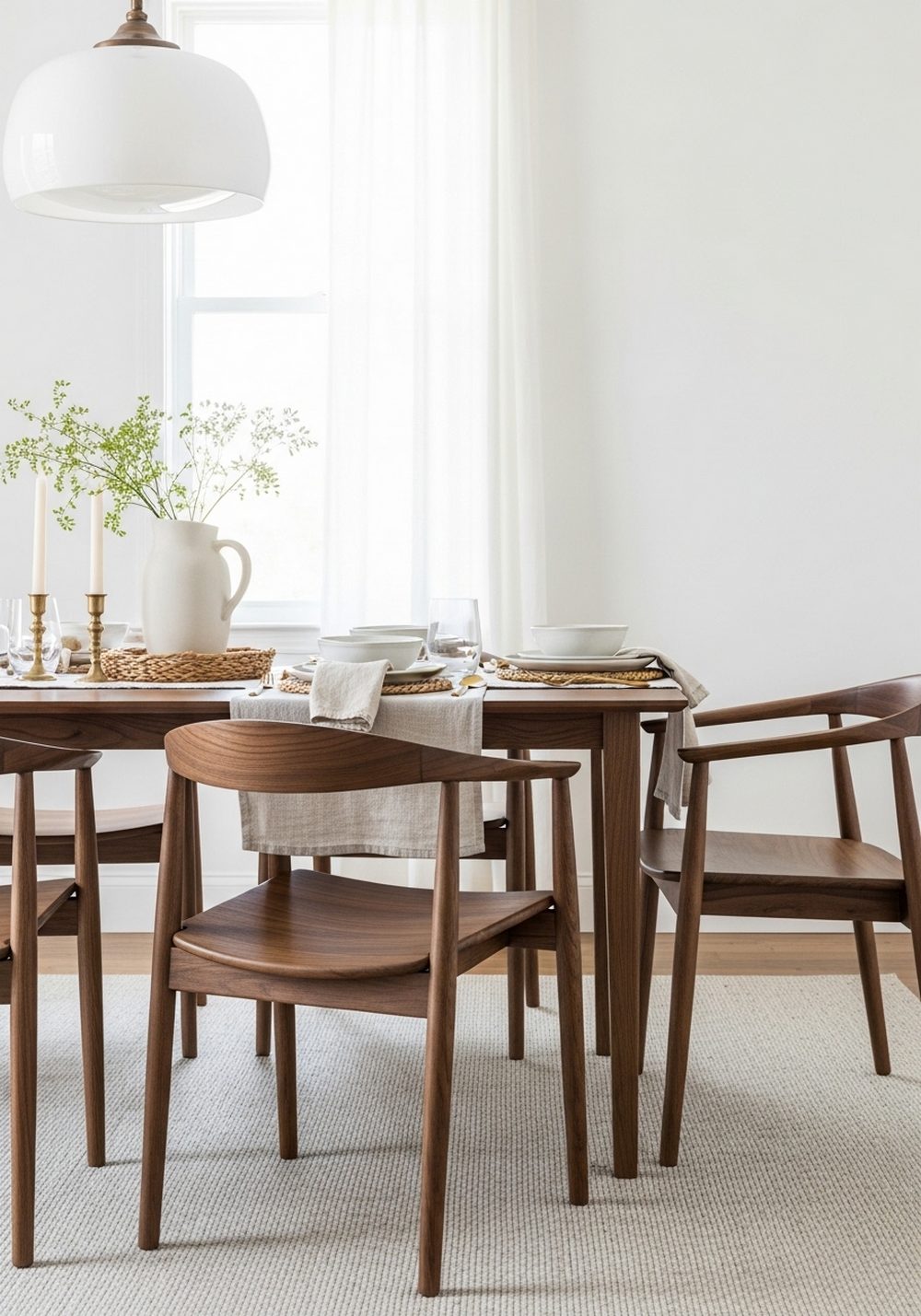
Warm walnut dining chairs bring a collected, timeless quality to a dining area, especially when your table or flooring needs visual contrast. They work beautifully with upholstered seats, woven textures, or simple curved backs that keep the look light. Walnut adds richness without the heaviness that darker stains sometimes create, making everyday meals feel more special. Pair the chairs with a linen table runner, soft pendant lighting, and neutral dinnerware. The room will feel warmer, more intimate, and more layered without needing a full makeover.
Best For: Dining spaces that feel plain or need contrast.
Where To Place It: Around a dining table, breakfast nook, or open-plan eating area.
Color Palette Tip: Try walnut with soft white, flax, clay, and olive details.
Materials / Items Needed: walnut dining chairs, runner, pendant light, dinnerware, table
Budget Level: High – Chairs make a big visual impact but can be an investment.
DIY Difficulty: Easy – No real DIY unless you are swapping seats or refinishing.
Style It Like This: Mix wood with linen textures. Keep lighting soft overhead. Use simple place settings for balance.
Common Mistake To Avoid: Choosing bulky chairs that visually crowd a smaller dining room.
Walnut-Framed Mirror for Soft Contrast
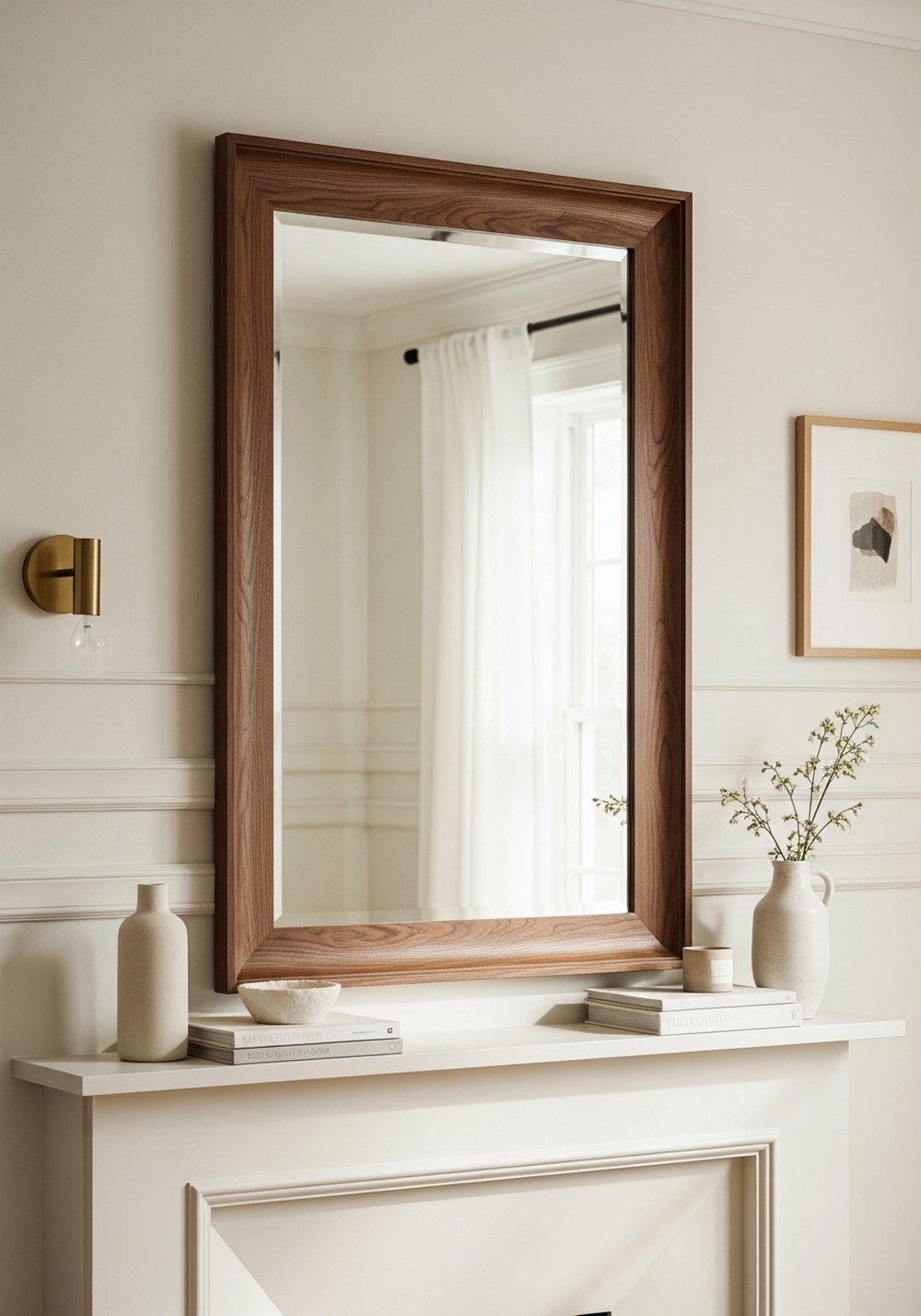
A walnut-framed mirror does more than reflect light because it also introduces shape, color, and texture to a blank wall. In bedrooms, hallways, or above a fireplace, that warm wood frame can soften white paint and make nearby decor feel intentional. Choose a round mirror for a gentle look or a rectangular one for cleaner structure. Keep surrounding accessories minimal so the walnut finish stands out. This piece can make a room feel brighter, taller, and more cohesive while staying practical and easy to style.
Best For: Blank walls that need warmth without adding clutter.
Where To Place It: Above a console, dresser, mantel, or in a hallway.
Color Palette Tip: Walnut works well with soft white, mushroom, greige, and warm metallics.
Materials / Items Needed: walnut mirror, wall anchors, console or mantel decor
Budget Level: Medium – A practical decor piece with strong visual payoff.
DIY Difficulty: Easy – Simple if properly measured and securely hung.
Style It Like This: Keep nearby decor minimal. Repeat walnut tones elsewhere. Choose round for softness or rectangular for structure.
Common Mistake To Avoid: Hanging the mirror too high so it feels disconnected from nearby furniture.
Walnut Side Tables for Easy Warmth
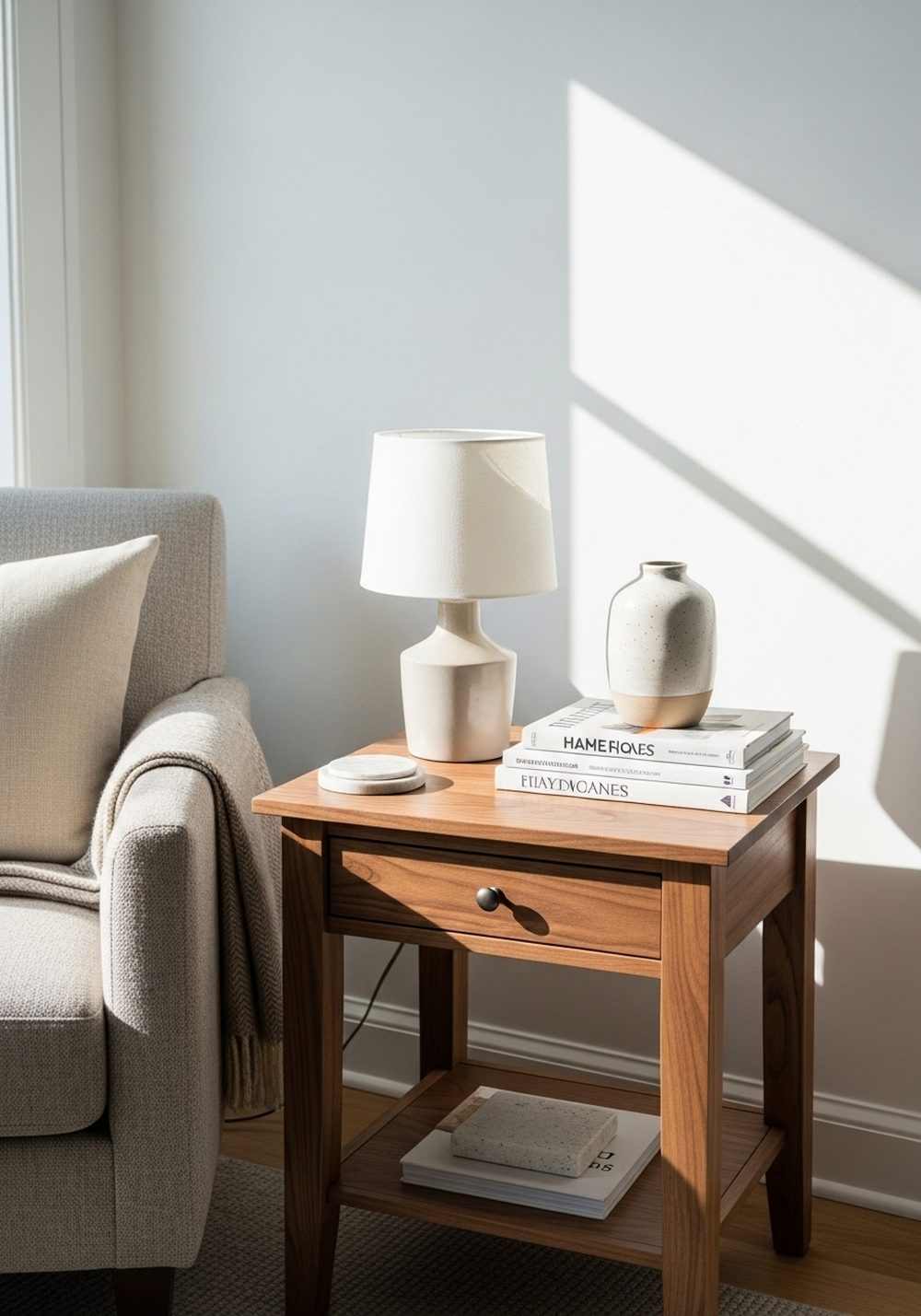
Walnut side tables are ideal for adding warmth in smaller doses, especially if you are not ready to commit to a larger furniture piece. Place one beside a sofa, accent chair, or bed to bring richness into corners that often feel unfinished. Their compact size makes them perfect for layering with lamps, books, coasters, and a small vase. Because walnut has an elevated feel, even simple shapes look refined. This idea is easy, functional, and effective when you want quick visual warmth with minimal effort.
Best For: Small corners that need texture and purpose.
Where To Place It: Beside a sofa, reading chair, or bed.
Color Palette Tip: Pair walnut with cream, caramel, olive, and soft matte black.
Materials / Items Needed: walnut side table, lamp, books, coaster, small vase
Budget Level: Low to Medium – A small piece that can still transform a corner.
DIY Difficulty: Easy – Minimal setup, mostly styling.
Style It Like This: Add a lamp for height. Stack one or two books. Keep the tabletop simple and usable.
Common Mistake To Avoid: Styling the table so heavily that it loses function.
Warm Walnut Media Wall Design
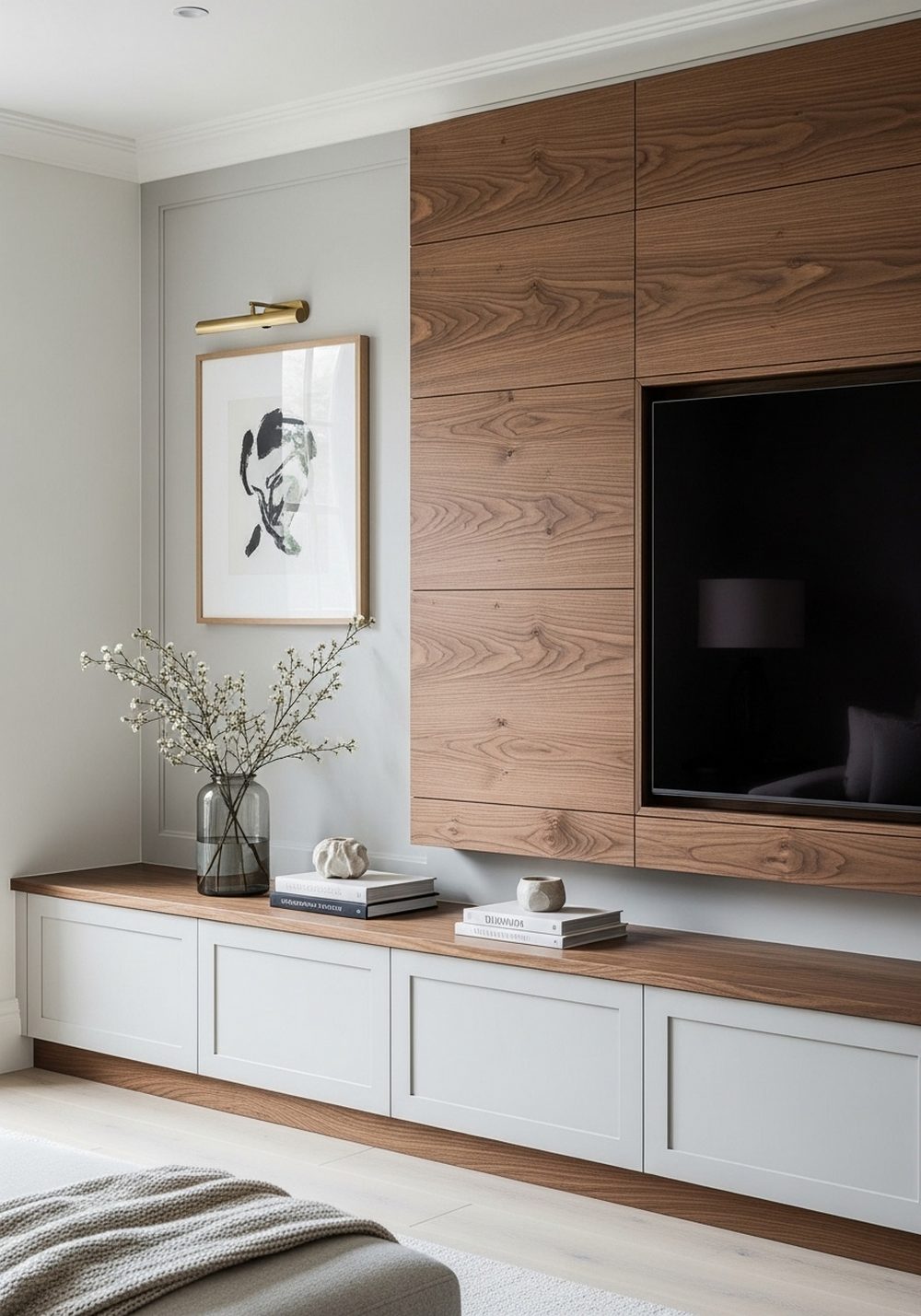
A warm walnut media wall can turn a television area from purely practical into something integrated with the rest of your decor. This can be done with walnut paneling, a low console, or built-in cabinetry that wraps the screen in a richer finish. The wood tone reduces the stark look that televisions often create, especially in modern homes with pale walls. Balance it with soft textiles, low lighting, and minimal accessories. The effect feels calm, grounded, and more architectural instead of tech-heavy or visually disconnected.
Best For: Living rooms where the television feels visually harsh.
Where To Place It: On the main living room wall or family room focal wall.
Color Palette Tip: Walnut pairs beautifully with warm white, stone, charcoal, and muted green.
Materials / Items Needed: walnut paneling or console, lighting, textiles, decor accessories
Budget Level: High – Best for a statement upgrade with lasting impact.
DIY Difficulty: Hard – Built-ins and paneling usually need careful measuring or pro help.
Style It Like This: Keep accessories minimal. Add soft lighting nearby. Use textiles to balance the wood and screen.
Common Mistake To Avoid: Overdecorating the media wall and making it feel busy.
Walnut Kitchen Stools for a Warmer Island
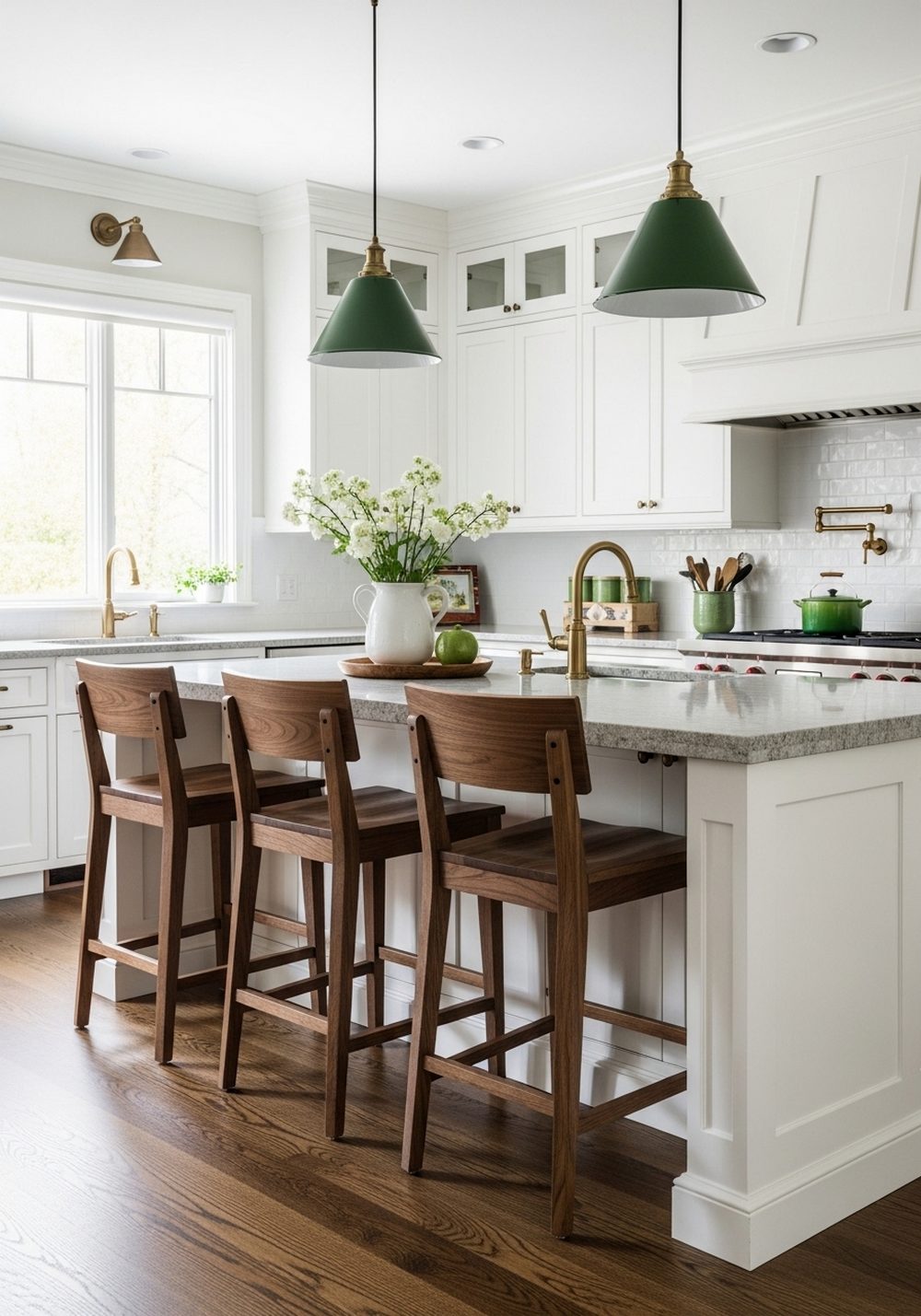
Walnut kitchen stools are a simple way to warm up an island or breakfast bar that feels too cold or uniform. The wood instantly breaks up stone, paint, and metal surfaces while making the kitchen feel more welcoming for everyday use. Choose stools with clean lines, woven seats, or curved backs depending on your style. Their natural tone pairs beautifully with white cabinetry, green accents, and metallic finishes. Add pendant lighting above, and the whole zone starts to feel like a thoughtful gathering spot daily.
Best For: Kitchens that feel sleek but slightly cold.
Where To Place It: Along a kitchen island, peninsula, or breakfast bar.
Color Palette Tip: Use walnut with white, sage, soft brass, and pale stone tones.
Materials / Items Needed: walnut stools, pendant lights, counter styling, seat cushions optional
Budget Level: Medium – Noticeable change without a full kitchen remodel.
DIY Difficulty: Easy – Mostly about choosing the right stool height and spacing.
Style It Like This: Match stool height carefully. Repeat walnut nearby for cohesion. Keep island decor minimal.
Common Mistake To Avoid: Buying stools that are too bulky for the walkway space.
Walnut Picture Frames for Richer Wall Decor
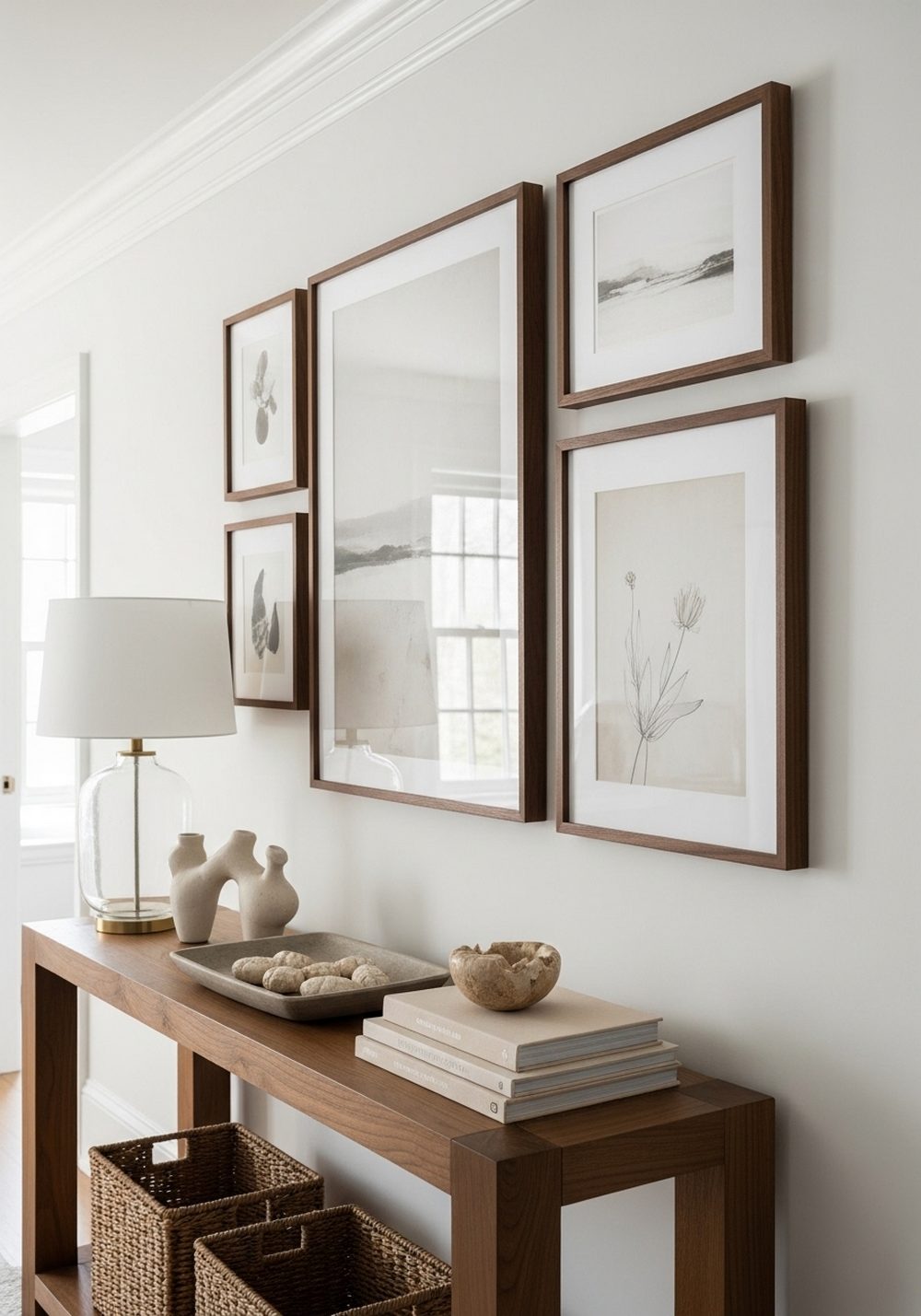
Walnut picture frames can make even inexpensive art prints or family photos feel richer and more intentional. The key is using them consistently so the room feels cohesive rather than random. Try a gallery wall with matching walnut frames, or place a few larger pieces on shelves and mantels for a relaxed layered effect. The wood tone adds quiet warmth that black or white frames sometimes miss. This is one of the easiest decor updates because it feels custom, polished, and personal without requiring investment.
Best For: Hallways, staircases, and walls that need personality.
Where To Place It: In a gallery wall, above a mantel, or on open shelves.
Color Palette Tip: Walnut frames shine against white, beige, dusty green, and soft terracotta.
Materials / Items Needed: walnut frames, art prints, family photos, hanging hardware, shelf decor
Budget Level: Low – Great impact with a relatively small spend.
DIY Difficulty: Easy – Simple planning and spacing make the difference.
Style It Like This: Use matching frames for consistency. Mix art with personal photos. Keep spacing even.
Common Mistake To Avoid: Mixing too many frame finishes and losing a cohesive look.
Walnut Bedroom Headboard for Cozy Depth
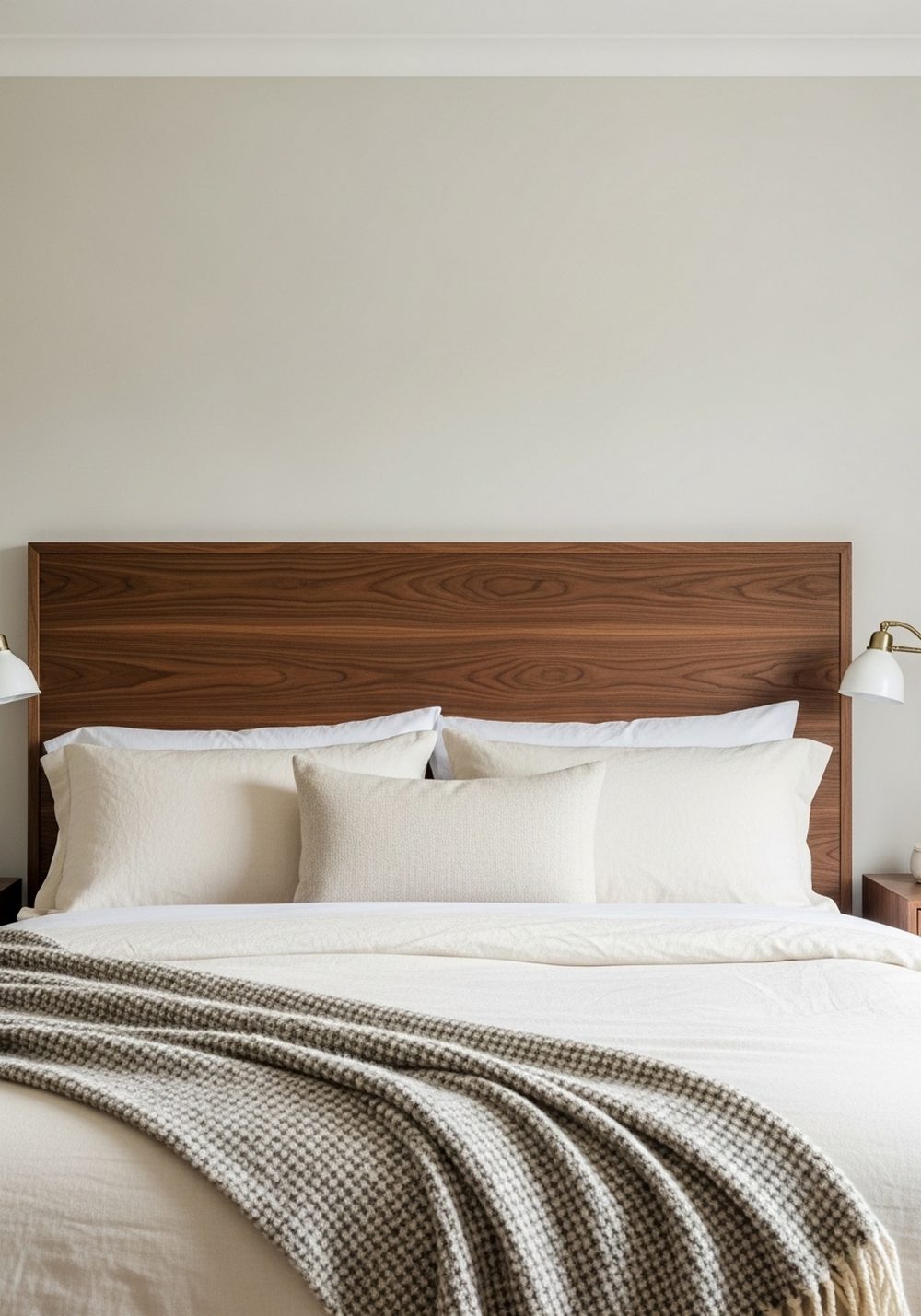
A walnut bedroom headboard instantly makes a sleep space feel calmer, warmer, and more finished. Whether you choose a slatted design, a smooth panel, or a softly curved silhouette, walnut creates beautiful contrast against light bedding and painted walls. It also helps a bedroom feel rooted, which is especially useful in spaces that currently look plain or temporary. Build around it with creamy linens, textured throws, and simple bedside lighting. This change can give the whole room a boutique-hotel feeling while staying comfortable and livable.
Best For: Bedrooms that feel flat, temporary, or unfinished.
Where To Place It: Centered on the main bedroom wall behind the bed.
Color Palette Tip: Pair walnut with ivory, oat, dusty taupe, and soft olive.
Materials / Items Needed: walnut headboard, bedding, throw, bedside lamps, rug
Budget Level: High – A standout bedroom piece that changes the whole mood.
DIY Difficulty: Medium – Easy to install, harder if custom-building from scratch.
Style It Like This: Layer creamy bedding. Add a textured throw. Keep bedside decor simple and warm.
Common Mistake To Avoid: Using cool-toned bedding that fights the warmth of the walnut.
Conclusion
Warm walnut is one of those decor choices that instantly makes a home feel deeper, calmer, and more welcoming. You do not need to redo every room to use it well. A few thoughtful pieces, repeated tones, and soft layered styling can create a beautiful sense of warmth throughout your space. Start with one idea that fits your home now, then build slowly so the overall look feels natural, balanced, and truly lived in everyday.
FAQs
Q1: Is warm walnut decor only for traditional homes?
A: Not at all. Warm walnut works beautifully in modern, organic, minimalist, and classic spaces.
Its richness adds warmth without forcing a room to feel formal or old-fashioned.
Q2: What colors look best with warm walnut?
A: Cream, beige, greige, muted olive, soft black, and warm white are all strong matches.
These shades let the walnut feel rich while keeping the room light and balanced.
Q3: Can I mix walnut with other wood tones?
A: Yes, but keep the undertones warm and the contrast intentional.
Mixing wood finishes works best when one tone clearly leads and the others support it.
Q4: How do I keep walnut decor from looking too dark?
A: Pair it with lighter walls, natural light, soft textiles, and edited styling.
Using walnut in smaller doses also helps the room stay airy and comfortable.
Q5: What is the easiest way to start decorating with walnut?
A: Begin with one flexible piece like a side table, mirror, frames, or stools.
That gives you a clear feel for the tone before investing in larger furniture.