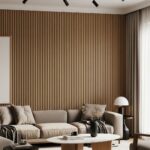


Blending vintage charm with modern simplicity creates a living room that feels layered, personal, and easy to live in. Instead of choosing one style over the other, this look lets you mix old character with clean lines, fresh textures, and practical comfort. A vintage rug can warm up a sleek sofa, while a modern lamp can instantly update an antique table. The result feels curated rather than themed, relaxed rather than overly styled. These mixed vintage and modern living room ideas are perfect for anyone who wants a space that looks timeless but still feels current. Whether you love thrifted finds, refined furniture, or a little contrast in every corner, these ideas will help you combine both worlds beautifully. Here are inspiring ways to make your living room feel balanced, inviting, and full of personality every single day.
Quick List:
- Pair a sleek sofa with an antique coffee table
- Layer a vintage rug under modern furniture
- Mix brass accents with clean-lined decor
- Style a gallery wall with old and new art
- Use a vintage cabinet as modern storage
- Combine classic wood tones with black metal
- Add a modern mirror above a vintage console
- Blend linen upholstery with ornate details
- Decorate with retro lighting and minimal shapes
- Mix sculptural decor with flea market finds
- Balance old-world textures with modern neutrals
- Create contrast with one statement heirloom piece
Pair a sleek sofa with an antique coffee table

A sleek sofa paired with an antique coffee table creates instant balance in a mixed-style living room. The sofa keeps the space feeling fresh and uncluttered, while the old table adds depth, charm, and a story. Choose a table with visible grain, carved legs, or a worn patina to bring warmth against smooth upholstery. This pairing works especially well when the room needs character without looking busy. Keep surrounding decor simple so the contrast feels intentional, relaxed, and visually grounded instead of forced or mismatched.
Best For: Homes that need warmth without losing a clean, updated look.
Where To Place It: Center the arrangement in front of the main seating area.
Color Palette Tip: Use soft neutrals with warm wood tones and one darker accent.
Materials / Items Needed: modern sofa, antique coffee table, area rug, throw pillows, tray, books
Budget Level: Medium — one standout vintage piece can transform the whole layout.
DIY Difficulty: Easy — mostly about styling and proportion, not building anything.
Style It Like This: Add a ceramic vase on the table; keep sofa lines simple; repeat wood tones elsewhere in the room.
Common Mistake To Avoid: Do not pair an oversized ornate table with an already bulky sofa.
Layer a vintage rug under modern furniture

A vintage rug under modern furniture is one of the easiest ways to make a living room feel rich and collected. The rug introduces age, softness, and pattern, while modern furniture keeps the room from feeling overly traditional. Faded motifs work especially well because they add interest without overwhelming the layout. Choose seating with simple silhouettes so the rug remains the visual anchor. This combination helps open spaces feel grounded and cozy, especially when the rug colors are repeated in pillows, art, or small decorative accents.
Best For: Open living rooms that need warmth, texture, and a stronger focal point.
Where To Place It: Under the full seating arrangement or at least the front legs.
Color Palette Tip: Pull two rug colors into cushions and decor for a tied-together look.
Materials / Items Needed: vintage-style rug, modern sofa, accent chairs, cushions, floor lamp, coffee table
Budget Level: Medium — rugs vary widely, but they make a big visual difference.
DIY Difficulty: Easy — placement and coordination matter more than installation.
Style It Like This: Let the rug lead the palette; keep furniture streamlined; add one textured throw for softness.
Common Mistake To Avoid: Avoid using a rug that is too small for the seating zone.
Mix brass accents with clean-lined decor

Brass accents can bring an elegant vintage touch to a modern living room without making it feel heavy. Think lamp bases, picture frames, candlesticks, or a side table with a warm metallic finish. When used with clean-lined decor, brass softens sharp edges and adds a subtle glow that feels polished and inviting. Keep the shapes modern and the brass finishes slightly aged rather than too shiny. This keeps the room balanced and prevents the metallic details from looking overly formal or too glam for everyday living.
Best For: Minimal spaces that need warmth and a more layered finish.
Where To Place It: On side tables, shelves, mantels, or next to upholstered seating.
Color Palette Tip: Pair brass with cream, charcoal, olive, or dusty blue tones.
Materials / Items Needed: brass lamp, frame, candlesticks, side table, neutral decor, storage basket
Budget Level: Low — small brass accents can refresh the room affordably.
DIY Difficulty: Easy — simple decorative swaps create the look quickly.
Style It Like This: Repeat brass in two or three spots; mix with matte finishes; keep clutter to a minimum.
Common Mistake To Avoid: Do not use too many glossy metallic pieces in one small room.
Style a gallery wall with old and new art
A gallery wall that mixes old and new art gives your living room personality without feeling too uniform. Combine vintage portraits, landscape prints, sketches, or thrifted frames with modern abstract pieces or black-and-white photography. The contrast creates a collected look that feels curated over time. Use a common thread, such as frame color, mat style, or palette, to hold everything together. This idea works beautifully above a sofa, console, or fireplace and turns a plain wall into a layered focal point with meaning, contrast, and visual rhythm.
Best For: Blank walls that need character and a more personal story.
Where To Place It: Above the sofa, a console table, or around a fireplace.
Color Palette Tip: Stick to one shared tone like black, oak, or muted neutrals.
Materials / Items Needed: vintage frames, modern prints, nails, level, kraft paper templates, hooks
Budget Level: Low — thrifted art and frames make this look affordable.
DIY Difficulty: Medium — spacing and arrangement take a bit of patience.
Style It Like This: Mix frame sizes; keep spacing even; include one unexpected vintage piece for charm.
Common Mistake To Avoid: Avoid hanging everything too high above the furniture line.
Use a vintage cabinet as modern storage

A vintage cabinet can double as beautiful storage while adding age and texture to a modern living room. It is perfect for hiding electronics, games, books, or extra throws without bringing in something generic. Look for a cabinet with classic lines, paneled doors, or worn wood that still feels versatile. Pair it with modern decor nearby, such as a clean lamp or simple art, so the piece feels updated. This idea works especially well in family spaces where function matters just as much as style and atmosphere.
Best For: Living rooms that need stylish storage with more personality.
Where To Place It: Against a main wall, beside a fireplace, or under artwork.
Color Palette Tip: Let the wood tone stand out against soft painted walls.
Materials / Items Needed: vintage cabinet, baskets, media storage, table lamp, books, decorative bowl
Budget Level: Medium — one solid cabinet adds both function and character.
DIY Difficulty: Easy — mostly placement, styling, and organizing inside.
Style It Like This: Top it with a modern lamp; add stacked books; keep surrounding decor minimal.
Common Mistake To Avoid: Do not overcrowd the cabinet top with too many accessories.
Combine classic wood tones with black metal

Classic wood tones and black metal create a strong vintage-modern balance that feels grounded and current. The wood brings warmth, history, and softness, while black metal adds structure and a modern edge. You can use this combination in shelving, side tables, lighting, or furniture legs. It works well in both small and spacious living rooms because the contrast is simple but effective. To keep the room inviting, layer in soft textiles and lighter upholstery. This mix feels slightly industrial, slightly timeless, and very easy to style around every day.
Best For: Rooms that need contrast without relying on bright colors.
Where To Place It: In shelving, side tables, floor lamps, or media units.
Color Palette Tip: Pair black and wood with beige, ivory, rust, or moss green.
Materials / Items Needed: wood furniture, black metal lamp, shelf, side table, throw blanket, cushion
Budget Level: Medium — easy to build over time with flexible pieces.
DIY Difficulty: Easy — many ready-made pieces already mix these materials.
Style It Like This: Repeat black details lightly; soften with linen textiles; keep wood tones warm, not orange.
Common Mistake To Avoid: Avoid making every piece black and metal-heavy at once.
Add a modern mirror above a vintage console

A modern mirror above a vintage console creates a beautiful layered moment in the living room. The mirror reflects light and adds a crisp, updated shape, while the console introduces patina and old-world character. This pairing works especially well near an entry-adjacent wall or behind a sofa where styling can feel flat. Choose a mirror with a slim frame or interesting geometric form to contrast with the console’s texture. Finish the setup with a small lamp, stacked books, or a vase so the arrangement feels balanced, useful, and polished.
Best For: Narrow walls or transitional spots that need visual height.
Where To Place It: Behind a sofa, along a side wall, or near the room entry.
Color Palette Tip: Pair aged wood with black, brass, or matte white mirror frames.
Materials / Items Needed: vintage console, modern mirror, lamp, vase, books, tray
Budget Level: Medium — a good mirror adds both style and function.
DIY Difficulty: Easy — just focus on safe hanging and proportion.
Style It Like This: Center the mirror; keep tabletop decor low; repeat one metal finish nearby.
Common Mistake To Avoid: Do not choose a mirror that is wider than the console.
Blend linen upholstery with ornate details

Linen upholstery brings softness and simplicity, making it the perfect partner for ornate vintage details in a living room. Think carved chair frames, decorative legs, or an antique bench paired with clean, relaxed fabric. The linen keeps decorative elements from feeling too formal, while the ornate shapes add charm that plain furniture often lacks. This balance feels airy, comfortable, and timeless. Use neutral linen shades so the details stand out naturally rather than competing for attention. The overall look feels elegant but approachable, ideal for everyday living with a collected, layered touch.
Best For: Anyone who wants a softer version of vintage-inspired style.
Where To Place It: In seating areas, reading corners, or as accent furniture.
Color Palette Tip: Use oatmeal, flax, ivory, or warm greige with aged wood.
Materials / Items Needed: linen chair, carved stool, bench, neutral pillows, throw, side table
Budget Level: Medium — upholstery can cost more but looks elevated.
DIY Difficulty: Medium — may involve reupholstery or fabric updates.
Style It Like This: Keep linen relaxed; add one ornate piece; balance with simple modern lighting.
Common Mistake To Avoid: Avoid combining too many carved pieces in one small zone.
Decorate with retro lighting and minimal shapes

Retro lighting can bring personality to a modern living room, especially when the rest of the decor stays clean and minimal. A curved floor lamp, globe pendant, or sculptural table lamp adds a nostalgic note without overwhelming the space. The trick is to let the lighting be the expressive feature while furniture and accessories remain simple. This keeps the room feeling stylish instead of theme-heavy. Warm bulbs also help vintage-inspired lighting feel cozy and inviting. It is a smart way to introduce history, shape, and mood in one functional design choice.
Best For: Modern rooms that need a playful focal point or softer mood.
Where To Place It: Next to the sofa, in a reading corner, or over a side table.
Color Palette Tip: Keep the palette quiet so the lighting shape can stand out.
Materials / Items Needed: retro lamp, side table, armchair, bulb, books, ceramic decor
Budget Level: Medium — statement lighting often becomes the room’s centerpiece.
DIY Difficulty: Easy — mostly choosing the right scale and location.
Style It Like This: Use one standout lamp; keep nearby decor spare; choose warm light over harsh white.
Common Mistake To Avoid: Do not add multiple statement lights that compete with each other.
Mix sculptural decor with flea market finds

Mixing sculptural decor with flea market finds creates a living room that feels artistic, layered, and completely personal. Modern sculptural pieces, like curved vases or abstract objects, bring freshness and shape. Flea market finds add soul through patina, imperfection, and history. Together, they create contrast that feels thoughtful rather than random. This approach works best when you edit carefully and give each piece room to breathe. Style shelves, mantels, or tables with a few meaningful items instead of too many. The result feels collected, creative, and far more interesting than store-perfect decor.
Best For: People who love collected styling and unique decorative moments.
Where To Place It: On shelves, mantels, coffee tables, or console surfaces.
Color Palette Tip: Keep decorative objects within a restrained, earthy palette.
Materials / Items Needed: sculptural vase, thrifted bowl, vintage books, tray, candleholder, pedestal object
Budget Level: Low — flea market pieces can stretch the styling budget beautifully.
DIY Difficulty: Easy — success comes from editing, not technical work.
Style It Like This: Group odd numbers; vary heights; mix smooth pieces with worn textures.
Common Mistake To Avoid: Avoid filling every surface with small decorative items.
Balance old-world textures with modern neutrals

Old-world textures can make a neutral modern living room feel warm, rich, and far from flat. Think aged wood, worn leather, stone, plaster, or woven baskets layered into a calm palette of cream, beige, taupe, and soft gray. The modern neutrals keep everything feeling open and current, while the textured materials add age and dimension. This combination is subtle but deeply effective in creating a timeless room. It suits both minimal and cozy spaces because the interest comes from surfaces and materials rather than loud patterns or busy styling choices.
Best For: Neutral lovers who want more depth without adding bright color.
Where To Place It: Across the whole room through furniture, walls, and accessories.
Color Palette Tip: Layer several warm neutrals instead of relying on one flat shade.
Materials / Items Needed: leather chair, wood stool, woven basket, plaster vase, linen throw, rug
Budget Level: Medium — texture-focused styling can be built piece by piece.
DIY Difficulty: Easy — mostly about layering materials thoughtfully.
Style It Like This: Mix rough and smooth finishes; keep tones warm; use texture instead of clutter.
Common Mistake To Avoid: Do not use identical beige tones on every single surface.
Create contrast with one statement heirloom piece

One statement heirloom piece can anchor an entire modern living room and make it feel deeply personal. This could be a carved armchair, old trunk, framed portrait, grandfather clock, or inherited sideboard. Let that piece stand out by surrounding it with simpler furniture, lighter colors, and cleaner shapes. The contrast gives the heirloom importance without making the room feel old-fashioned. It also tells a story, which is what makes mixed-style interiors so memorable. This idea proves that even one meaningful vintage element can completely change the feeling of a space.
Best For: Sentimental decorators who want to honor family pieces beautifully.
Where To Place It: In a visible focal area where it can breathe.
Color Palette Tip: Use calm backgrounds so the heirloom remains the star.
Materials / Items Needed: heirloom furniture, neutral seating, rug, lamp, art, accent table
Budget Level: Low — the most meaningful piece may already be yours.
DIY Difficulty: Easy — the main task is styling around the item well.
Style It Like This: Give it space; repeat one tone from the piece; keep nearby decor understated.
Common Mistake To Avoid: Avoid surrounding the heirloom with too many competing vintage pieces.
Conclusion
Mixing vintage and modern design is all about balance, contrast, and personality. When you pair clean shapes with aged finishes, your living room feels warmer, more collected, and less predictable. Start with one idea that fits your space, then build slowly with pieces you genuinely love. The most beautiful rooms are not perfectly matched. They feel lived in, layered, and thoughtful. Let old charm and modern ease work together to create a home that feels truly yours.
FAQs
Q1: How do I mix vintage and modern decor without making my living room look messy?
A: Start with a simple modern base, then add a few vintage pieces with character.
Repeat colors, materials, or shapes so everything feels connected instead of random.
Q2: What is the easiest way to add vintage style to a modern living room?
A: A vintage rug, antique table, or old frame is an easy starting point.
These pieces add charm quickly without requiring a full room makeover.
Q3: Can I mix different wood tones in a vintage-modern living room?
A: Yes, mixed wood tones can make the space feel more natural and collected.
Keep one undertone dominant so the room still feels visually balanced.
Q4: What colors work best for this mixed style?
A: Warm neutrals, muted greens, dusty blues, charcoal, and soft earth tones work beautifully.
These shades help vintage elements feel calm and modern pieces feel inviting.
Q5: Should every piece be vintage or modern for the room to feel cohesive?
A: No, balance matters more than strict matching.
A few strong vintage elements mixed with modern basics often create the best result.