
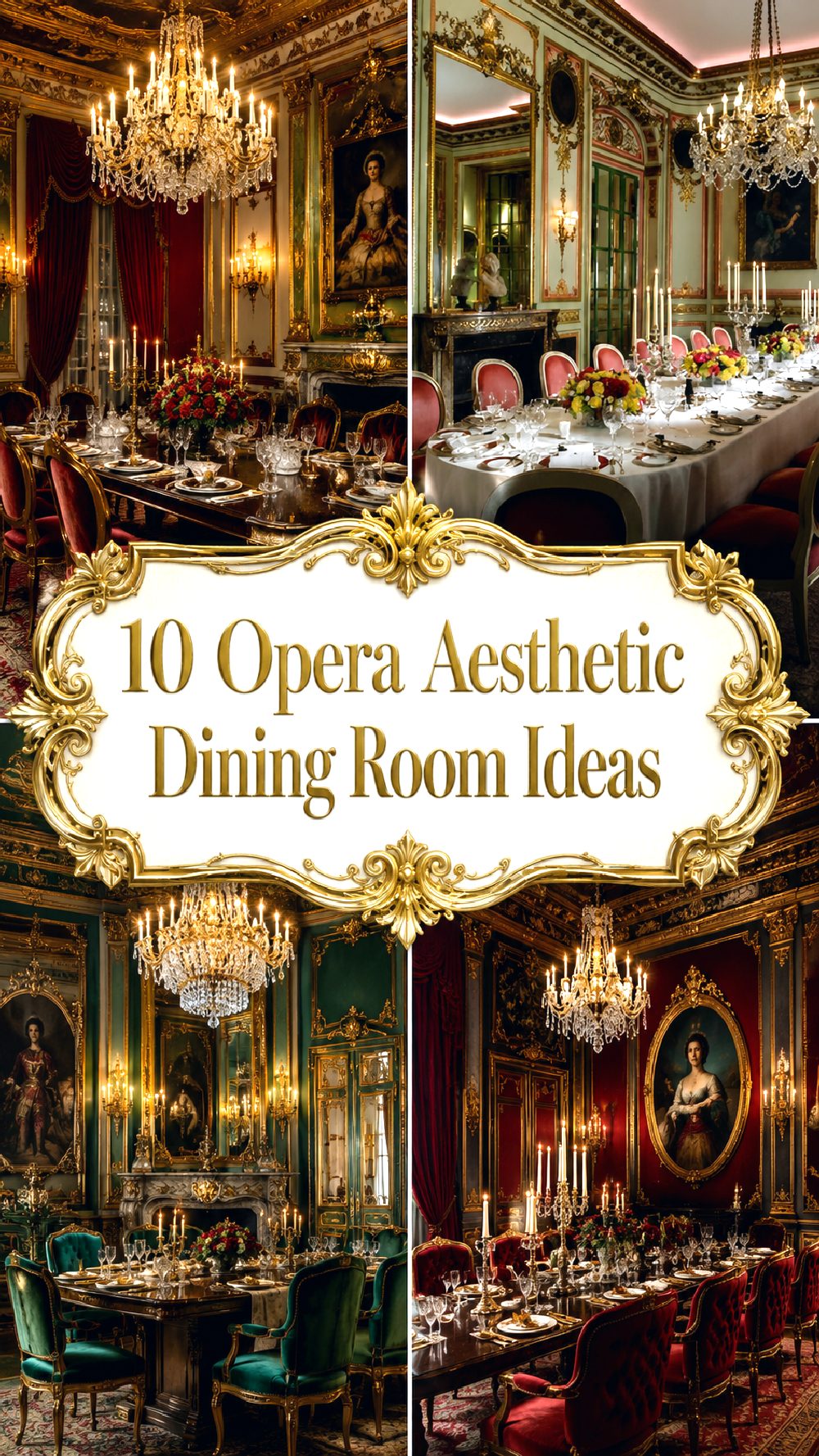

Opera style turns a dining room into a stage set, where every meal feels dramatic, romantic, and unforgettable. This aesthetic blends old-world glamour with rich fabrics, ornate silhouettes, moody lighting, and a sense of theatrical elegance that instantly elevates the space. In 2026, homeowners are leaning into expressive interiors, and opera-inspired dining rooms fit perfectly with that shift toward layered beauty and emotional design. Think velvet dining chairs, gilded mirrors, candlelight sparkle, and deep jewel tones that make the room feel intimate yet grand. The goal is not to recreate a museum, but to capture the atmosphere of a classic performance hall in a way that still feels livable. These opera aesthetic dining room ideas will help you design a space that feels refined, artistic, and full of personality for gatherings, celebrations, and quiet dinners at home all year round.
Quick List:
- Velvet Jewel-Tone Dining Chairs
- Grand Crystal Chandelier
- Deep Red Statement Walls
- Floor-Length Dramatic Curtains
- Antique-Style Gold Mirror
- Dramatic Black Dining Table
- Layered Candlelight Glow
- Dramatic Centerpiece Styling
- Classic Portrait Wall Art
- Styled Bar Cart or Sideboard
Velvet Jewel-Tone Dining Chairs
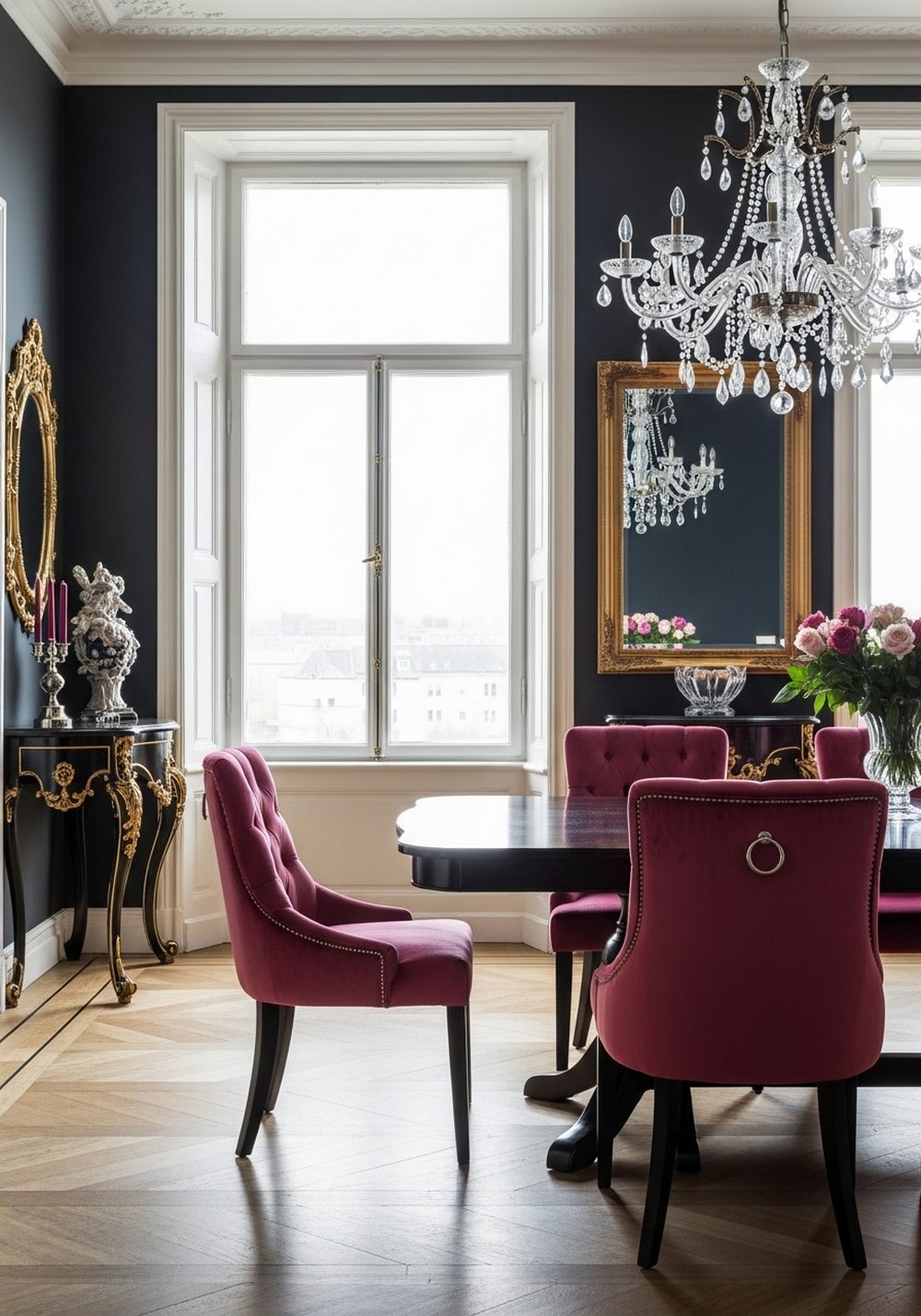
Start with velvet dining chairs in a rich jewel tone like burgundy, emerald, or sapphire to create that opera-house mood. The softness of velvet reflects light beautifully and adds the luxury this look needs without overwhelming the room. Pair the chairs with a dark wood or marble table so the space feels grounded and refined. This idea works especially well when you want drama through texture instead of clutter. It feels formal, romantic, and timeless while still being practical enough for regular dinners at home.
Best For: Homes that want instant drama without redoing the entire room.
Where To Place It: Around the main dining table as the room’s most visible feature.
Color Palette Tip: Pair jewel tones with black, gold, ivory, or dark walnut.
Materials / Items Needed: velvet dining chairs, dining table, rug, warm lighting, metallic accents
Budget Level: Medium — A chair swap gives strong impact without a full renovation.
DIY Difficulty: Easy — Mostly a styling and furniture update.
Style It Like This: Add gold flatware. Use a dark runner. Layer with soft candlelight.
Common Mistake To Avoid: Mixing too many bright chair colors can weaken the elegant mood.
Grand Crystal Chandelier
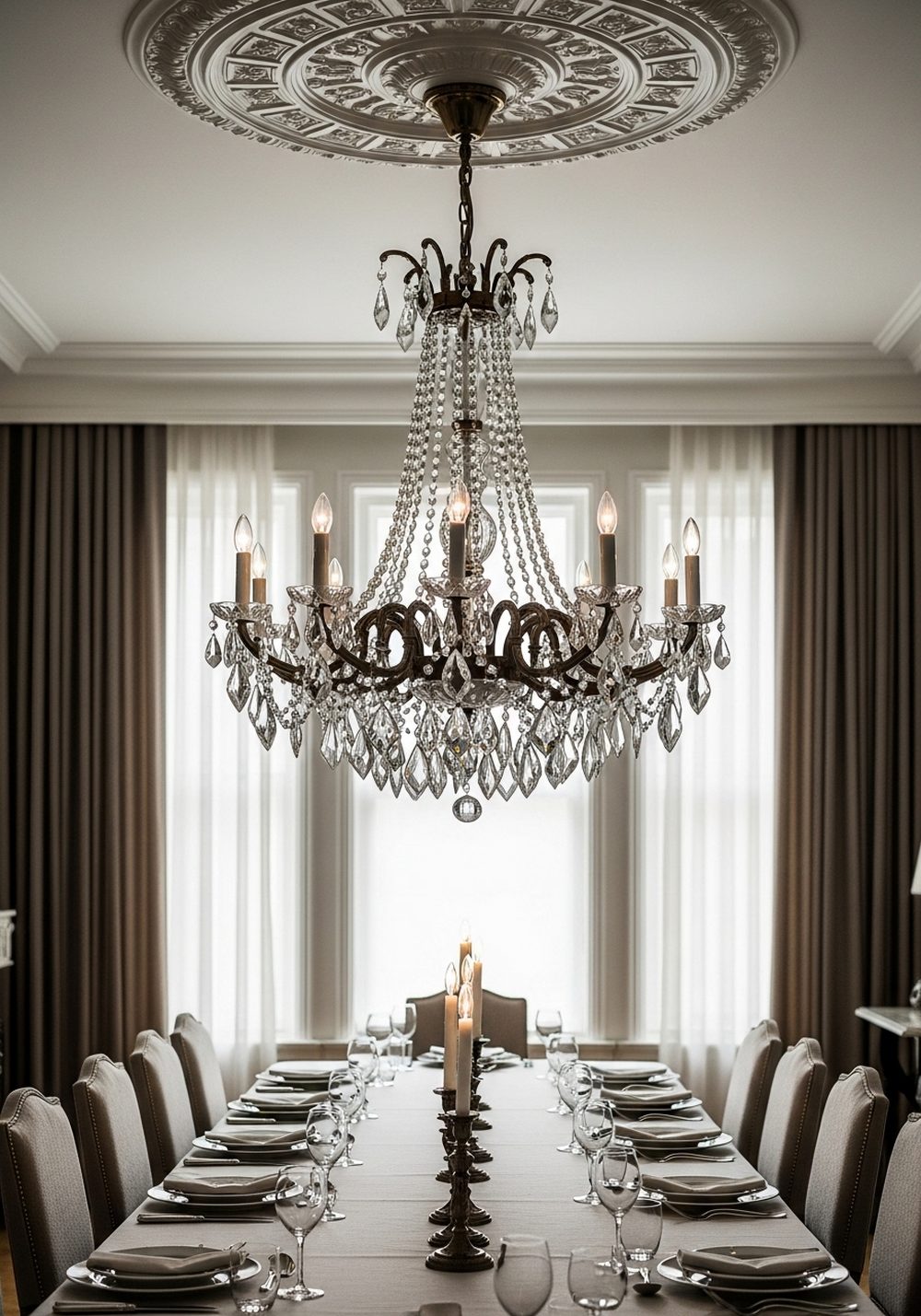
A chandelier is one of the easiest ways to make an opera aesthetic dining room feel complete. Choose a dramatic fixture with crystal drops, antique brass arms, or candle-style bulbs to create soft, glowing light over the table. The goal is not just brightness but atmosphere, because opera-inspired spaces rely on mood and visual depth. Even a simple room can feel elevated when the ceiling becomes a focal point. Position the chandelier low enough to feel intimate, while keeping enough clearance so the room balanced.
Best For: Dining rooms that need one dramatic statement piece.
Where To Place It: Centered directly above the dining table.
Color Palette Tip: Crystal and brass work beautifully with burgundy, black, cream, and gold.
Materials / Items Needed: chandelier, ceiling medallion, dimmable bulbs, ladder, matching sconces
Budget Level: High — Lighting becomes the luxury centerpiece of the room.
DIY Difficulty: Medium — Installation may need electrical help.
Style It Like This: Use dimmable lighting. Add a ceiling medallion. Keep table decor elegant but simple.
Common Mistake To Avoid: Choosing a fixture that is too small for the table size.
Deep Red Statement Walls
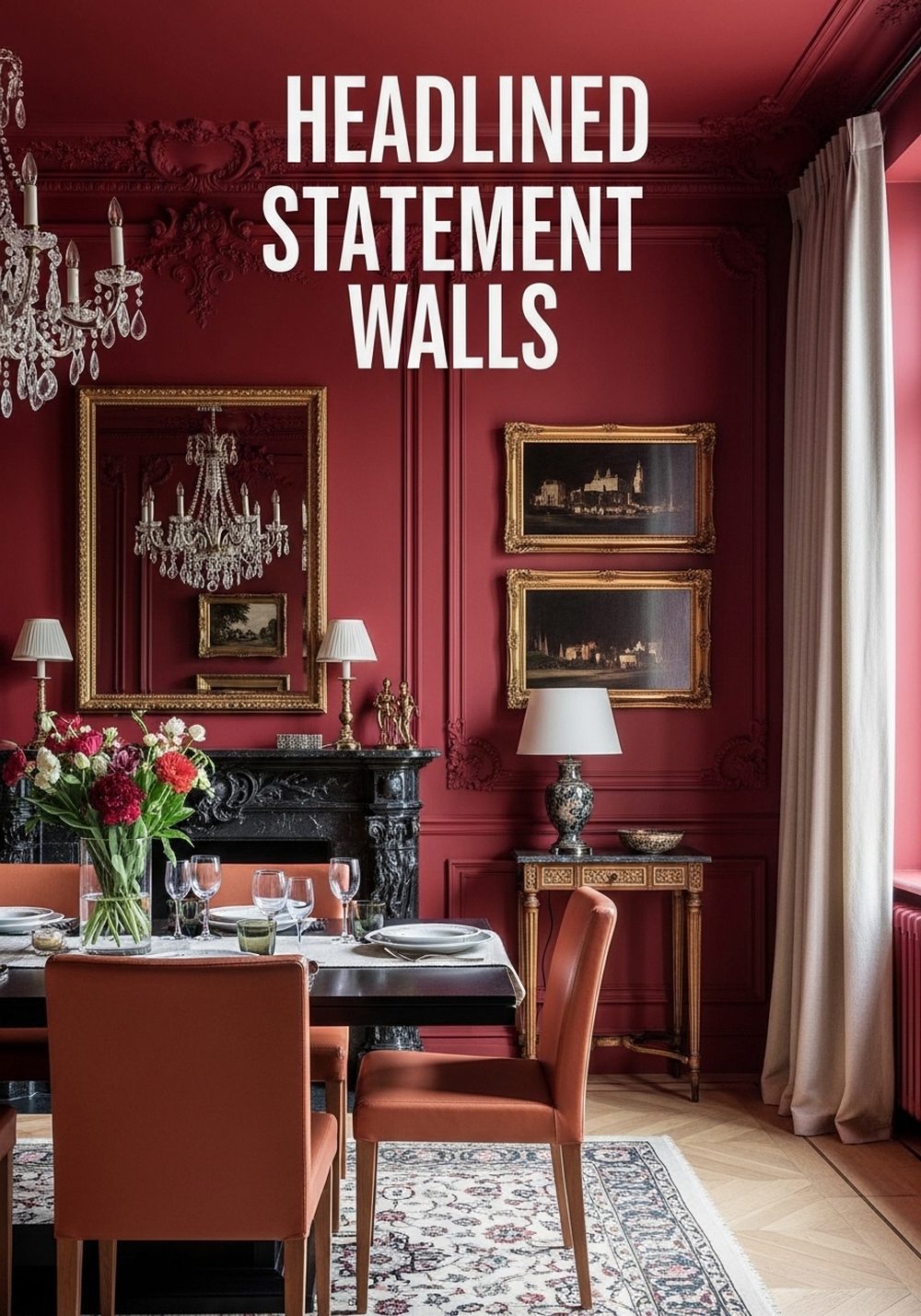
Deep red walls echo the richness of theater curtains and opera interiors. This color brings warmth, intimacy, and a bold sense of drama that transforms an ordinary dining room into a statement space. Use a matte or soft eggshell finish so the room feels elegant rather than glossy. Balance the intensity with lighter trim, framed art, or metallic accents to prevent the space from looking too heavy. This idea works beautifully in rooms with evening light, where the color becomes luxurious and inviting at dinner.
Best For: Homes that love moody color and theatrical character.
Where To Place It: On all walls for full impact or one feature wall for a softer version.
Color Palette Tip: Pair deep red with antique gold, ivory, charcoal, and dark wood.
Materials / Items Needed: wall paint, primer, trim paint, artwork, metallic decor accents
Budget Level: Low — Paint creates a dramatic effect for less money.
DIY Difficulty: Medium — Dark shades need careful prep and clean edges.
Style It Like This: Add gold-framed art. Balance with cream drapery. Use warm bulbs at night.
Common Mistake To Avoid: Using cool white lighting that makes the red feel harsh.
Floor-Length Dramatic Curtains
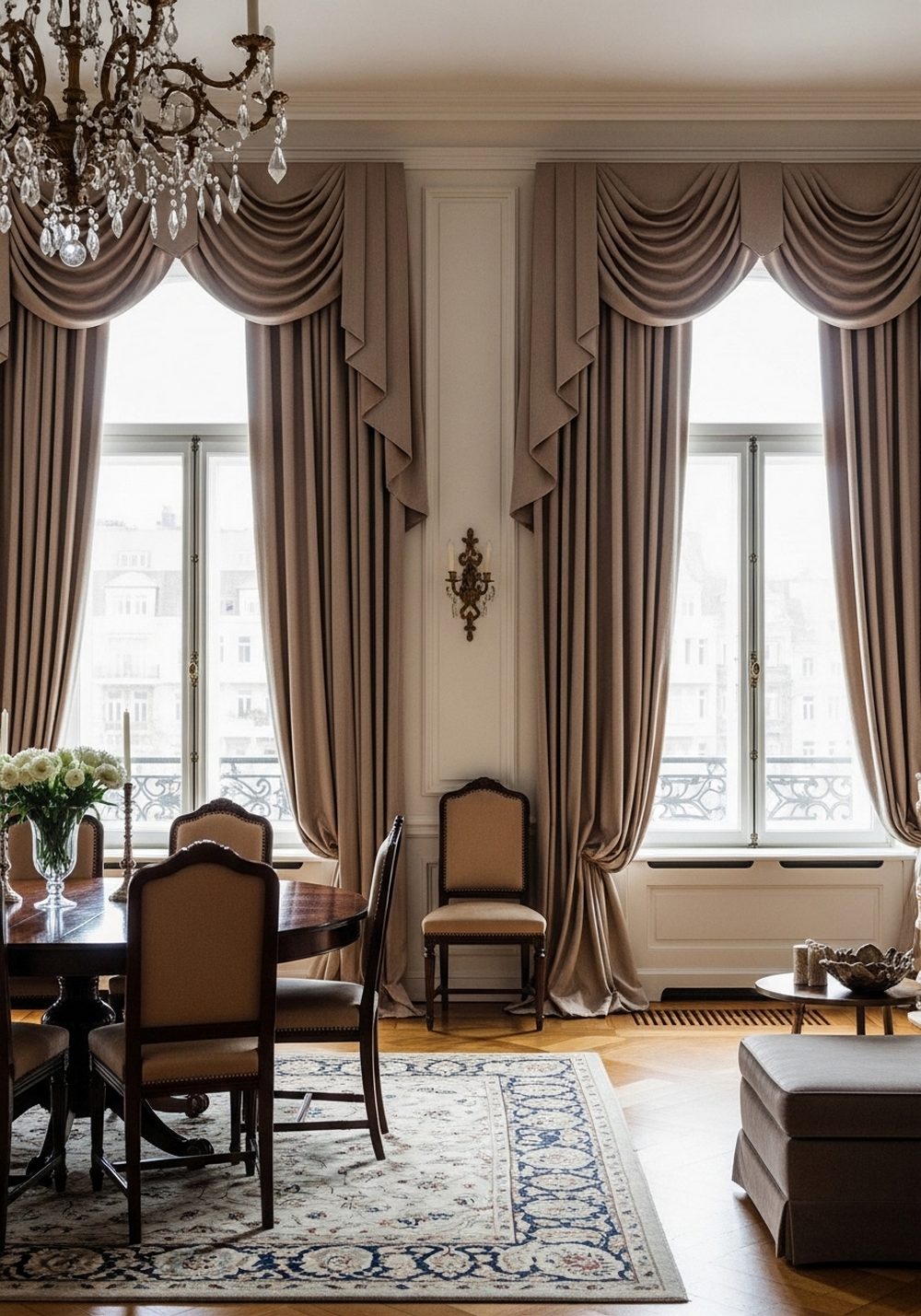
Floor-length curtains give the dining room a grand, stage-like feeling that fits the opera aesthetic perfectly. Choose heavy fabrics like velvet, jacquard, or lined linen in deep neutral or jewel tones to frame the windows with elegance. These curtains add softness, improve acoustics, and make the room feel taller and more polished. Let them puddle slightly for a romantic effect, or keep them tailored for a cleaner version of the look. Either way, they add movement and theatrical depth that plain blinds can never achieve.
Best For: Dining rooms with windows that need softness and height.
Where To Place It: Mounted high and wide around every main window.
Color Palette Tip: Try plum, charcoal, emerald, or warm taupe for a rich finish.
Materials / Items Needed: curtain panels, curtain rods, rings, tiebacks, liner panels
Budget Level: Medium — Fabric window treatments add luxury without rebuilding the space.
DIY Difficulty: Easy — Simple to install with accurate measurements.
Style It Like This: Hang curtains close to the ceiling. Use fuller panels. Let fabric touch the floor.
Common Mistake To Avoid: Curtains that stop above the floor can look unfinished.
Antique-Style Gold Mirror
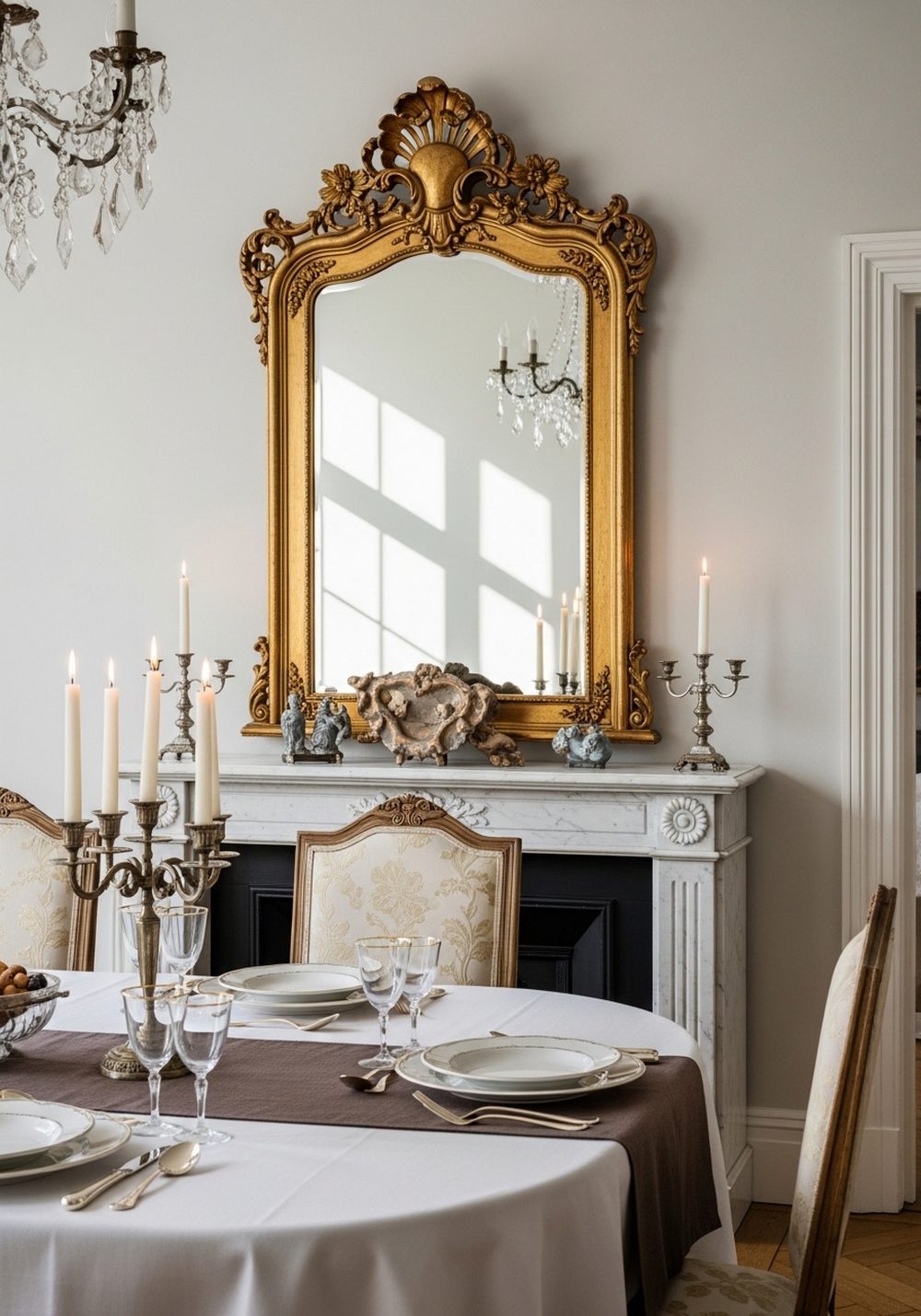
An antique-style gold mirror helps bounce light around the room while adding old-world character. The ornate frame creates a sense of history and artistry, which is essential in opera-inspired interiors. Hang it where it can reflect candles, a chandelier, or a beautifully set table for maximum visual impact. This single piece can make the room feel larger, brighter, and far more decorated without clutter. It is especially useful in smaller dining rooms that need glamour and depth but do not have space for layered accessories.
Best For: Smaller dining rooms that need brightness and decorative depth.
Where To Place It: Above a sideboard, console, or fireplace wall if available.
Color Palette Tip: Gold pairs best with deep reds, black, cream, and walnut tones.
Materials / Items Needed: ornate mirror, wall anchors, sideboard, candles, decorative trays
Budget Level: Medium — One strong vintage-style piece adds lots of personality.
DIY Difficulty: Easy — Mostly depends on safe wall mounting.
Style It Like This: Reflect candlelight. Pair with a sideboard. Keep nearby decor symmetrical.
Common Mistake To Avoid: Using a mirror that feels too sleek and modern for the theme.
Dramatic Black Dining Table
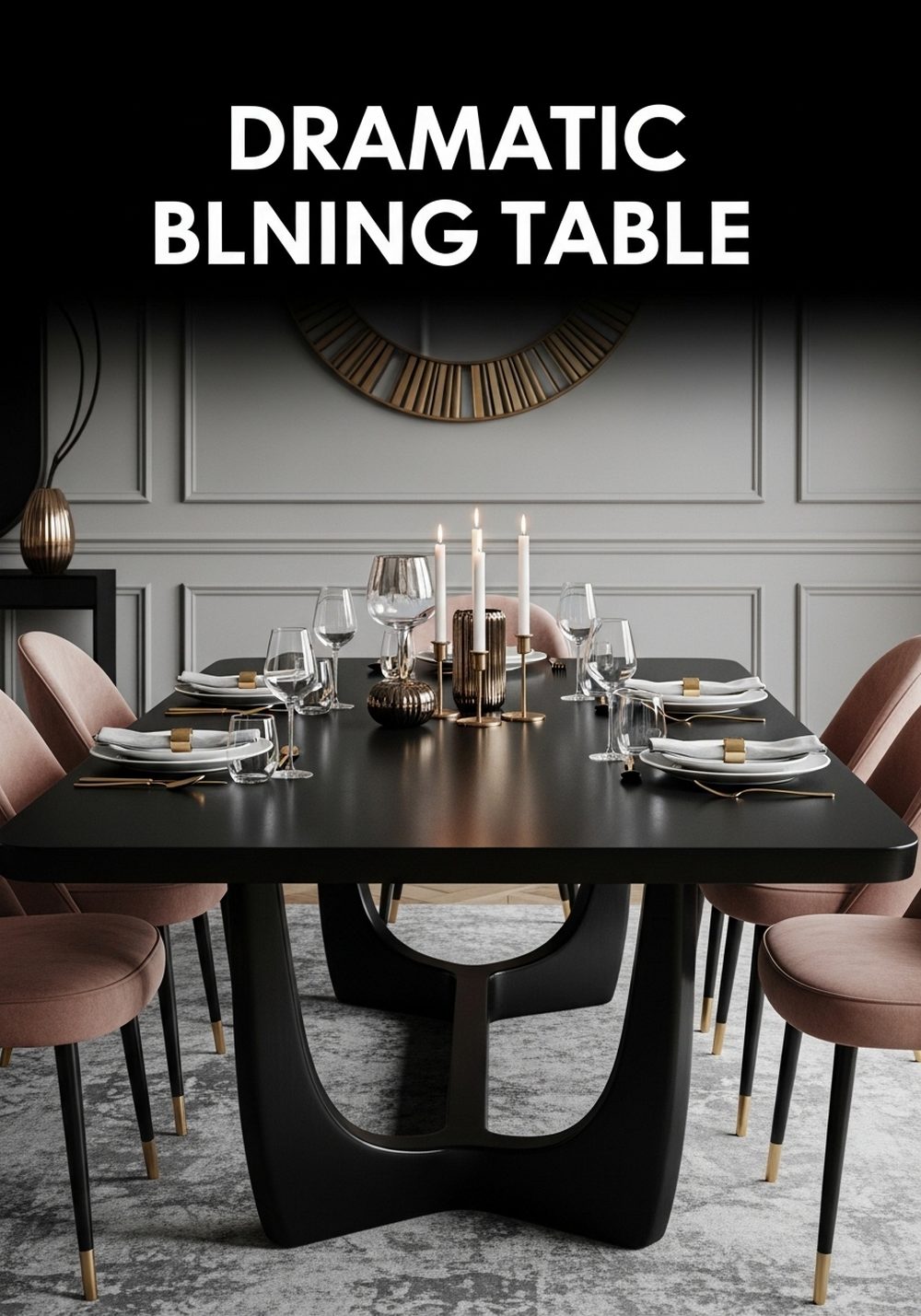
A black dining table creates the perfect dramatic anchor for an opera aesthetic room. It feels bold, elegant, and slightly moody, especially when paired with soft fabrics, warm metallic accents, and candlelight. The dark finish gives contrast to lighter walls and makes decorative details like glassware and floral centerpieces stand out beautifully. This idea works well if you want a modern interpretation of opera style that still feels rich and theatrical. Choose a table with sculptural legs or carved details to add extra visual interest.
Best For: Homes that want a dramatic base with flexible styling options.
Where To Place It: Center stage in the dining room with space to walk around it.
Color Palette Tip: Black looks especially rich with ivory, oxblood, gold, and smoky gray.
Materials / Items Needed: black dining table, chairs, runner, candles, polished glassware
Budget Level: High — The table becomes the main investment piece.
DIY Difficulty: Easy — Mostly furniture sourcing and styling.
Style It Like This: Use an ivory runner. Add brass accents. Keep seating plush and elegant.
Common Mistake To Avoid: Choosing a table finish that shows every fingerprint too easily.
Layered Candlelight Glow
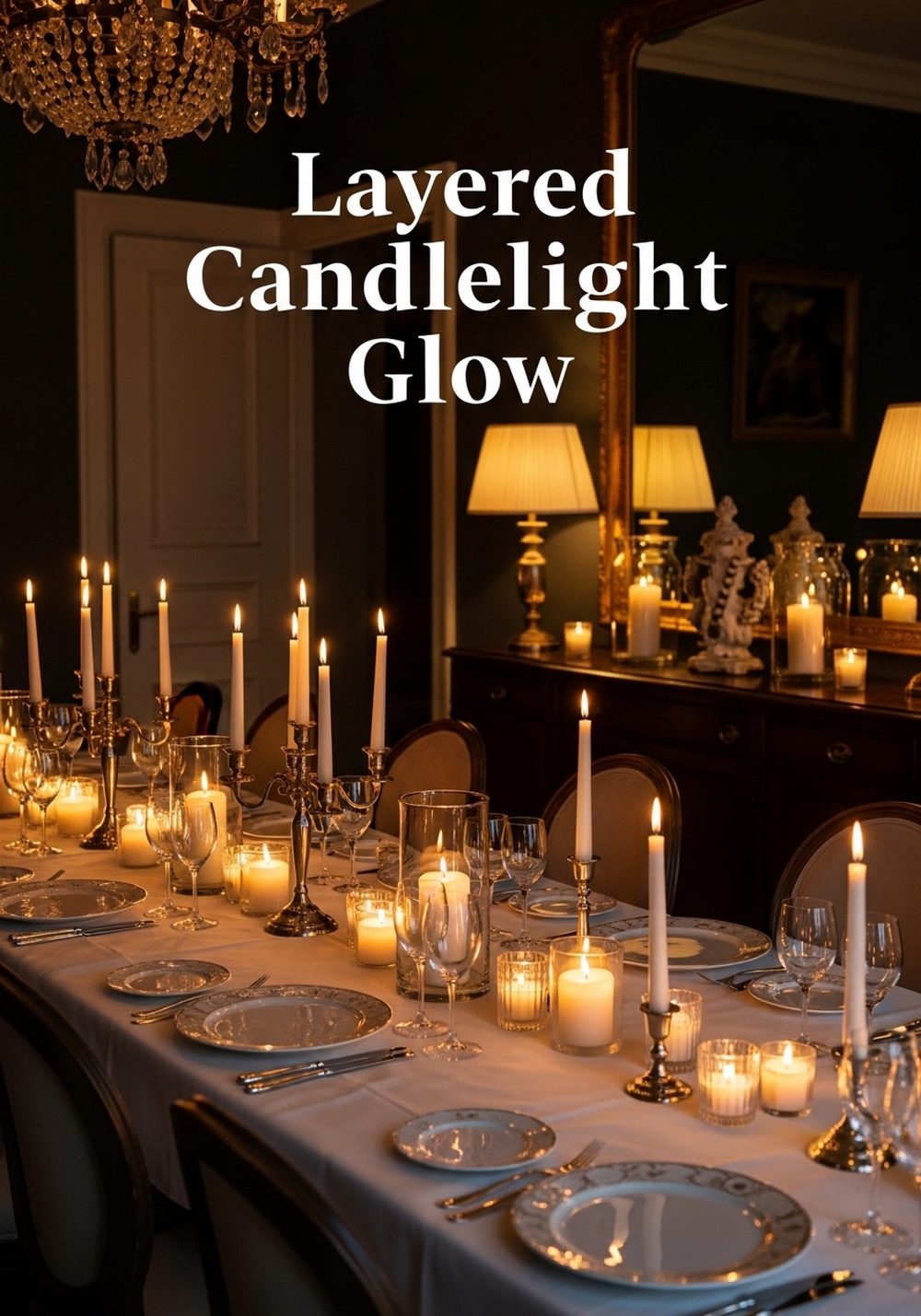
Layering candlelight across the table, sideboard, and nearby shelves creates the intimate glow that defines this aesthetic. Use a mix of taper candles, candelabras, and glass hurricanes to build a soft, flickering atmosphere that feels romantic and cinematic. This approach makes even simple dinners feel like special occasions. It also softens darker colors and highlights metallic surfaces in a beautiful way. For safety and convenience, you can combine real candles with high-quality flameless options while keeping the same luxurious look throughout the room every evening.
Best For: Anyone who wants atmosphere more than major furniture changes.
Where To Place It: On the table, sideboard, window ledge, or mantel nearby.
Color Palette Tip: Use warm ivory candles with brass, bronze, or black holders.
Materials / Items Needed: taper candles, candelabras, hurricanes, flameless candles, trays
Budget Level: Low — Lighting layers create luxury on a smaller budget.
DIY Difficulty: Easy — Very simple to style and rearrange.
Style It Like This: Mix candle heights. Group in threes. Reflect them in mirrors or glass.
Common Mistake To Avoid: Using only one candle source can make the room feel flat.
Dramatic Centerpiece Styling
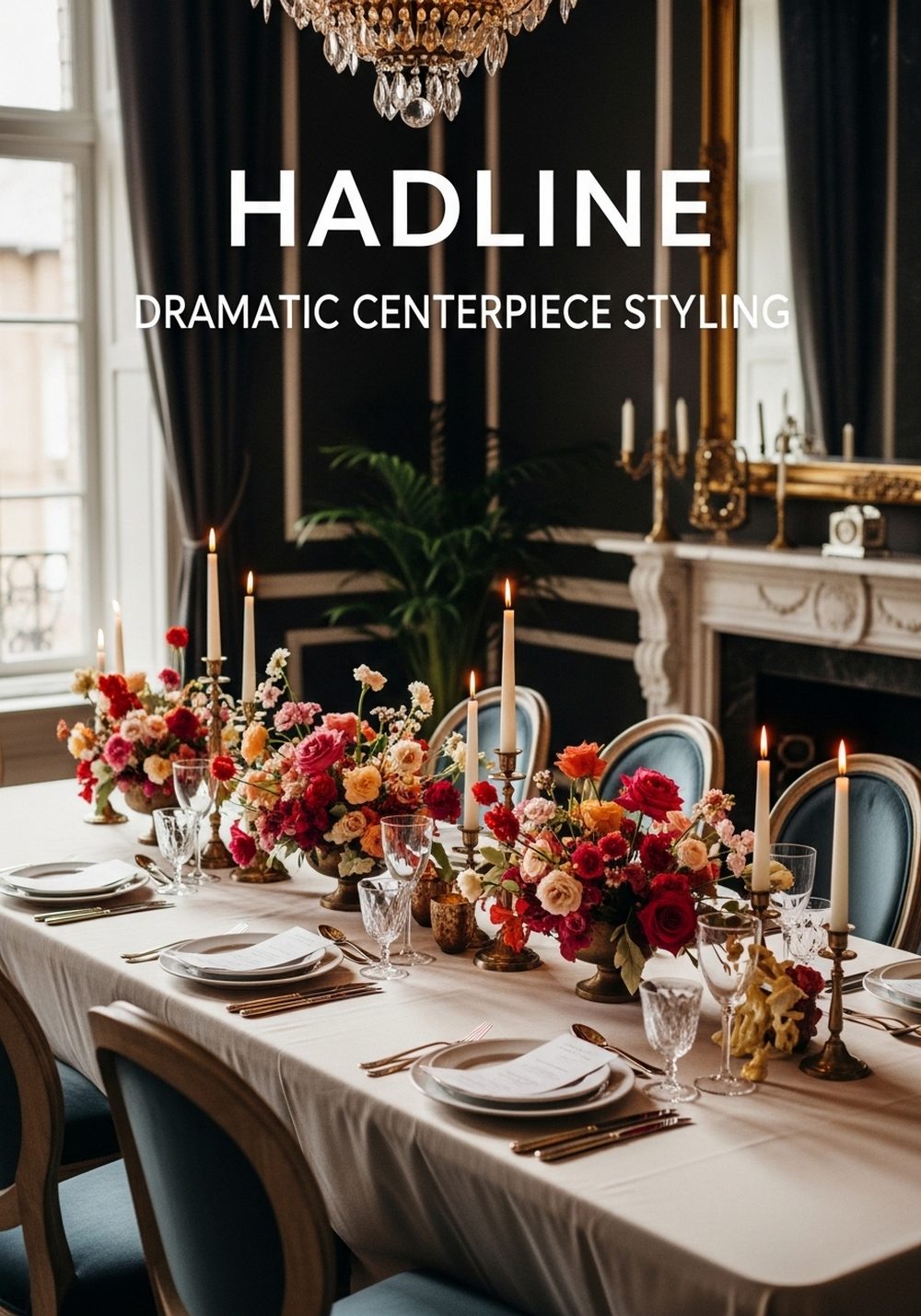
A dramatic centerpiece gives the table a sense of occasion, which is central to the opera aesthetic. Use overflowing flowers, dark branches, seasonal fruit, or sculptural candleholders to create a layered focal point that feels artistic instead of stiff. The arrangement should look intentional but never too neat, because a slightly undone quality feels more romantic and expressive. This is a great way to refresh the room seasonally without changing the main furniture. Keep the centerpiece low enough for conversation and sightlines across the table.
Best For: Seasonal updates and entertaining-focused dining rooms.
Where To Place It: Centered on the dining table or slightly offset on a runner.
Color Palette Tip: Try burgundy, blush, plum, cream, and muted green together.
Materials / Items Needed: vase, branches, flowers, candleholders, fruit, linen runner
Budget Level: Medium — Fresh styling can shift the whole room’s mood.
DIY Difficulty: Easy — Arrange, edit, and layer until it feels balanced.
Style It Like This: Use one oversized vessel. Add height softly. Leave room for place settings.
Common Mistake To Avoid: Making the centerpiece so tall that guests cannot see each other.
Classic Portrait Wall Art
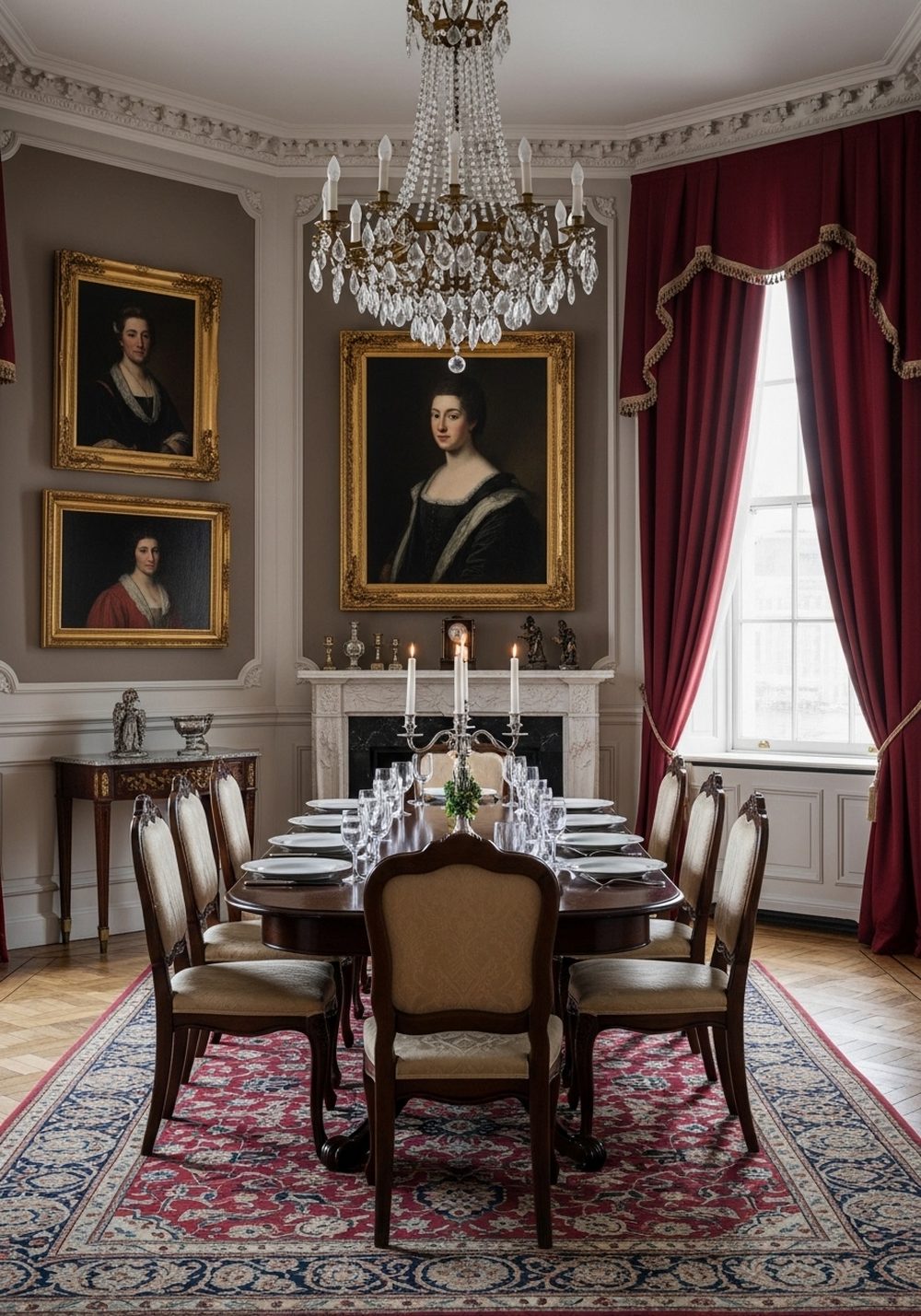
Classic portrait art or vintage-inspired wall pieces bring a cultured, collected feeling to the dining room. Opera aesthetics work best when the space suggests history, emotion, and storytelling, and artwork helps achieve that beautifully. Choose pieces with ornate frames, moody tones, or dramatic subjects to reinforce the theatrical atmosphere. A single large painting can make a bold statement, while a gallery arrangement creates richness. This idea helps the room feel personal and intentional rather than simply decorated, especially when paired with elegant lighting and materials.
Best For: Homes that want the room to feel artistic and collected.
Where To Place It: On the main dining wall, above a sideboard, or in a gallery grouping.
Color Palette Tip: Look for art with muted gold, wine, sepia, charcoal, and cream.
Materials / Items Needed: framed art, picture hooks, wall lights, sideboard, decorative molding
Budget Level: Medium — Art adds story and polish without changing furniture.
DIY Difficulty: Easy — Placement and frame choice matter most.
Style It Like This: Mix frame sizes carefully. Keep spacing even. Use warm wall lighting nearby.
Common Mistake To Avoid: Hanging art too high so it feels disconnected from the room.
Styled Bar Cart or Sideboard
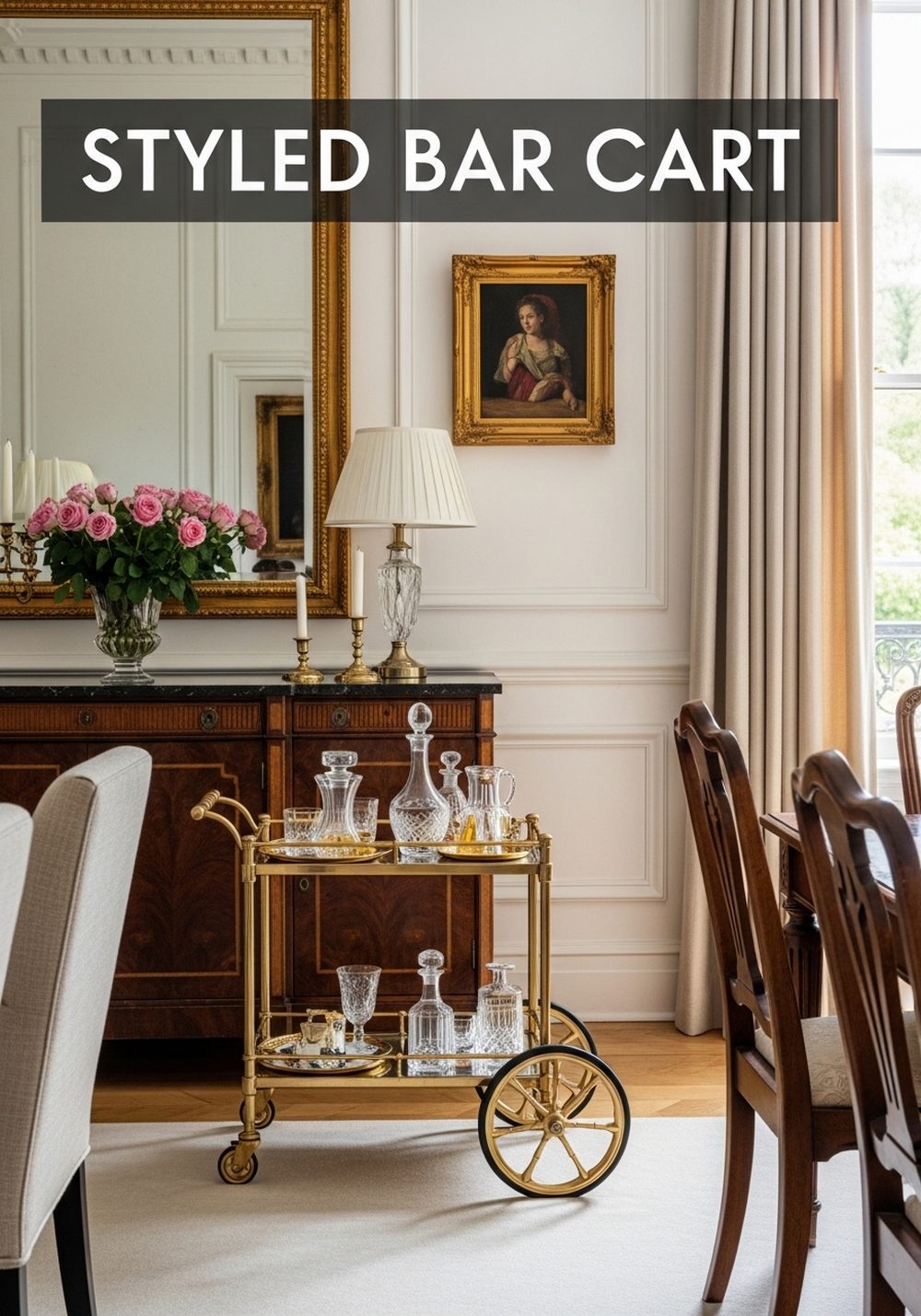
A styled bar cart or sideboard adds the final layer of performance and hospitality to the room. Display cut-glass decanters, polished trays, candleholders, and elegant serving pieces to create a setup that feels ready for an intermission toast. This idea supports the opera aesthetic because it combines glamour with function, making entertaining feel special and visually curated. Keep the arrangement edited so it looks refined rather than crowded. When placed near the dining table, it also improves flow and makes hosting feel smoother during dinners.
Best For: Hosts who want the room to feel polished and guest-ready.
Where To Place It: Against a side wall near the dining table but out of the walkway.
Color Palette Tip: Use black, gold, crystal, and dark wood for a refined mix.
Materials / Items Needed: bar cart or sideboard, trays, glassware, candles, serving pieces
Budget Level: Medium — A functional styling station adds beauty and convenience.
DIY Difficulty: Easy — Mostly arranging and editing decorative pieces.
Style It Like This: Use a tray for grouping. Add candles. Keep one open area for serving.
Common Mistake To Avoid: Overfilling the surface with too many accessories.
Conclusion
An opera aesthetic dining room is all about mood, elegance, and a little theatrical charm. You do not need every ornate detail at once to make it work. Start with one dramatic anchor, then layer in lighting, texture, color, and art over time. The result is a dining space that feels memorable, expressive, and beautifully personal. With the right balance, your room can feel luxurious enough for entertaining while still welcoming for everyday shared meals.
FAQs
Q1: What colors work best for an opera aesthetic dining room?
A: Deep reds, burgundy, black, emerald, plum, ivory, and antique gold usually work best.
These tones create the moody, elegant, theatrical feeling that defines the look.
Q2: Can I create this style in a small dining room?
A: Yes, absolutely. Use one or two dramatic elements like a gold mirror, velvet chairs, or dark paint.
Smaller rooms often look even more intimate and luxurious with this aesthetic.
Q3: Does opera aesthetic decor have to look overly traditional?
A: No. You can mix opera-inspired drama with modern pieces like a black table or simpler lighting.
The key is keeping the mood rich, layered, and elegant rather than copying a historical room exactly.
Q4: What materials suit this dining room style best?
A: Velvet, marble, dark wood, crystal, brass, gold finishes, linen, and ornate framed art all fit well.
These materials bring softness, shine, and depth into the space.
Q5: How do I keep the room from looking too heavy?
A: Balance dark colors with mirrors, candles, lighter trim, or soft natural light.
You want drama, but the room should still feel welcoming and well-edited.