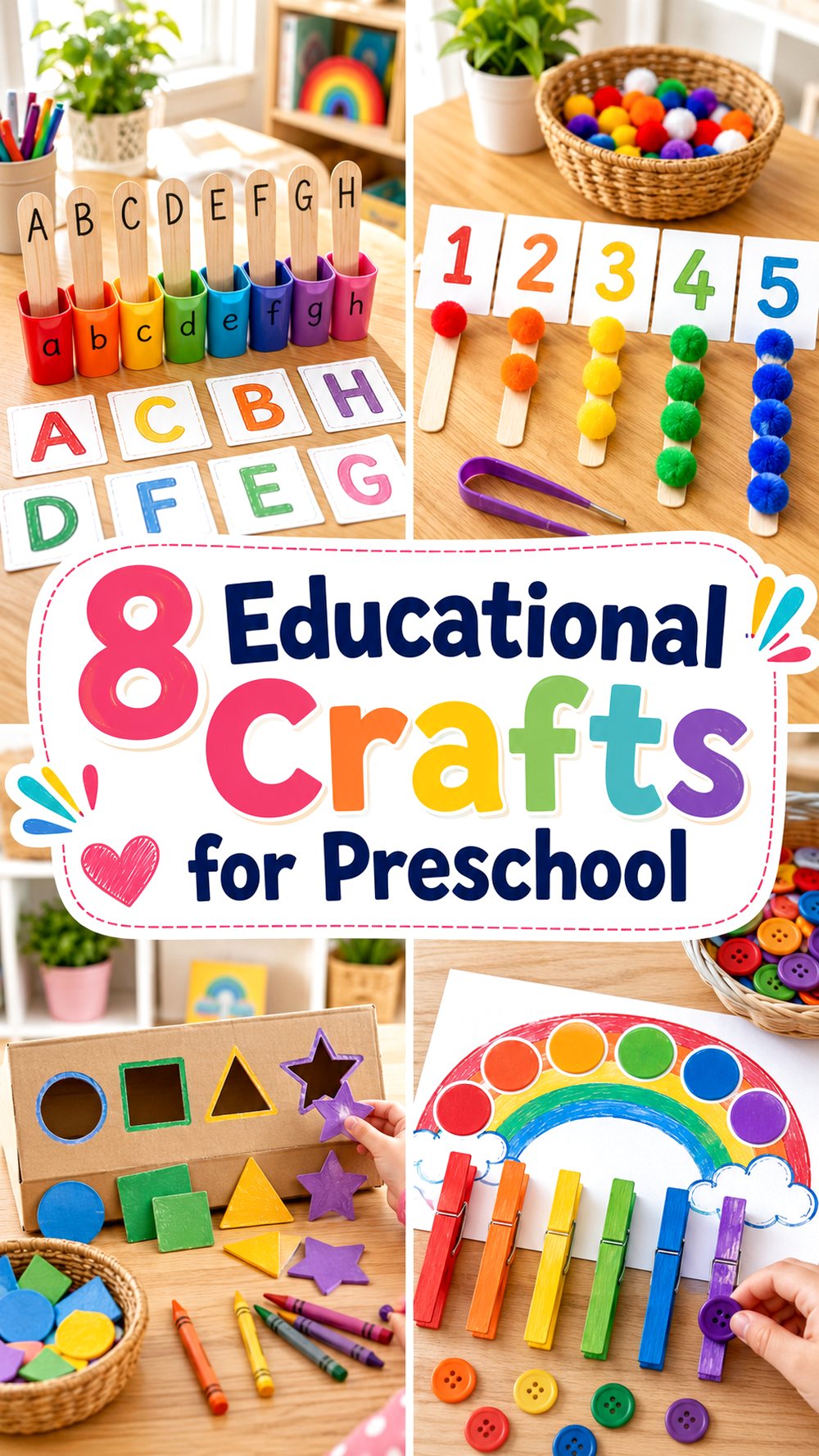

Educational crafts are a fun way to help preschool children learn through play. These simple activities support early skills like letters, numbers, colors, shapes, weather, names, and feelings. They also give children a chance to cut, paste, match, sort, and create. Each craft is easy to set up and works well for classrooms, daycare, or learning at home.
Why You’ll Love These Ideas
These preschool craft ideas are useful, low-cost, and hands-on. They keep children busy while helping them build basic learning skills in a playful way. Most of them use simple supplies like paper, cardboard, plates, beads, and markers, so they are easy to prepare without making the activity feel too complicated.
Quick List
- Alphabet Paper Plate Wheel
- Counting Bead Caterpillar
- Shape Sorting House
- Color Match Flower Garden
- Weather Wheel Craft
- Name Puzzle Strips
- Number Parking Lot
- Emotion Face Plates
Alphabet Paper Plate Wheel
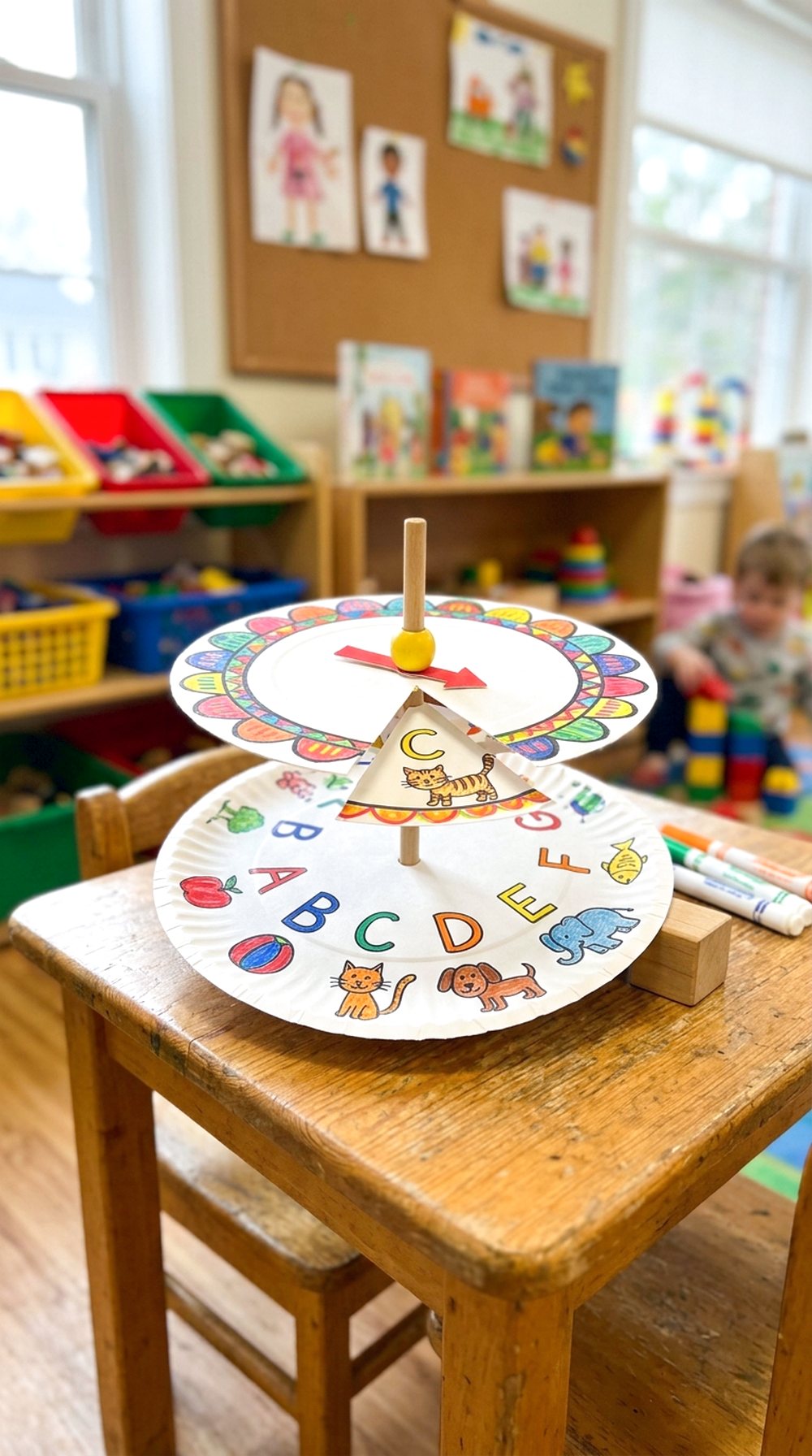
An alphabet paper plate wheel helps preschoolers recognize letters in a fun, movable way. It can be used during circle time, small group learning, or quiet table play. Add simple pictures beside a few letters to connect sounds with objects. Use bright colors, but keep the design clear so children can focus easily.
Counting Bead Caterpillar
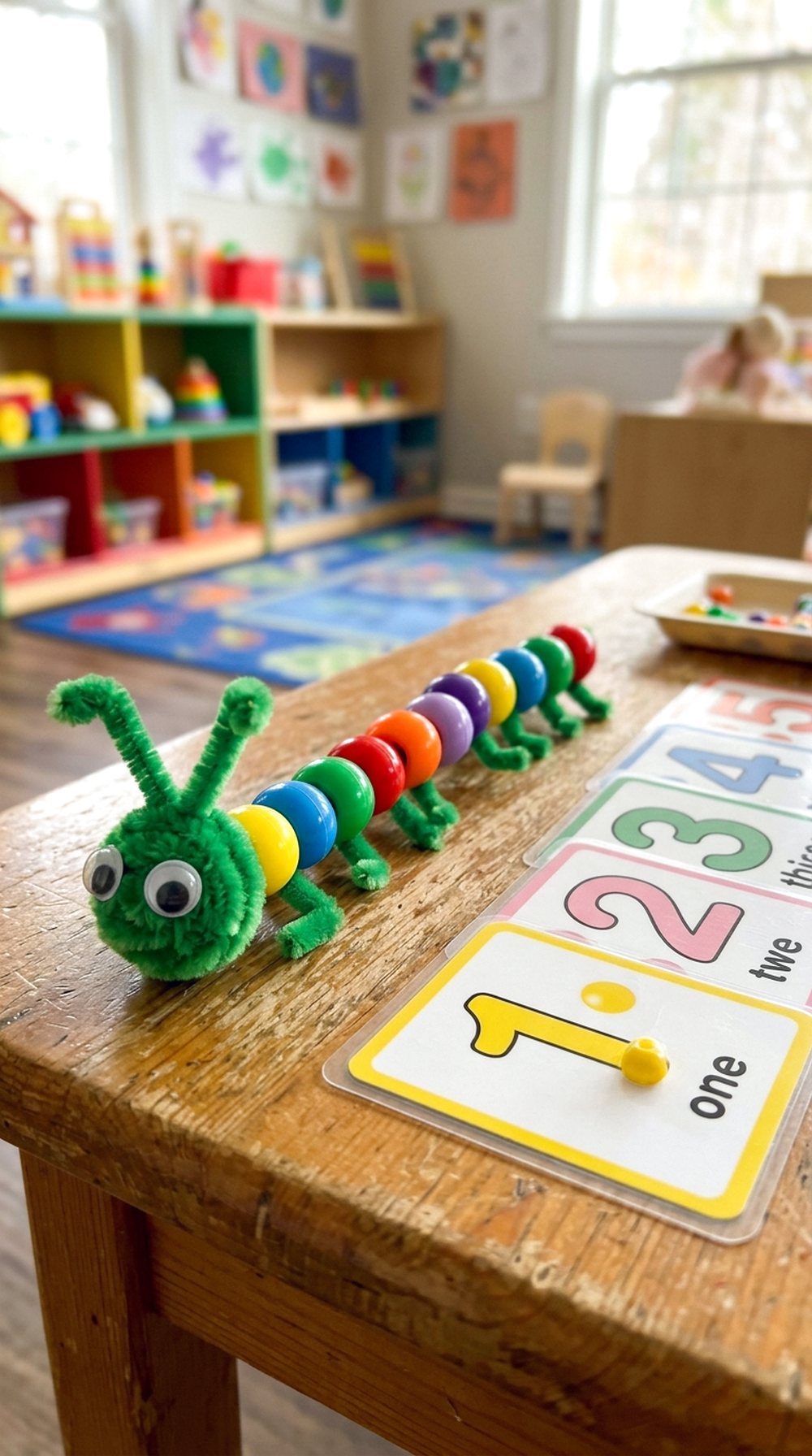
Counting feels more playful when it becomes a cute bead caterpillar. Children can count each bead, sort colors, and practice fine motor skills while building the craft. It works well on a preschool table or math center. Try using number cards beside each caterpillar so kids can match the bead amount to the number.
Shape Sorting House
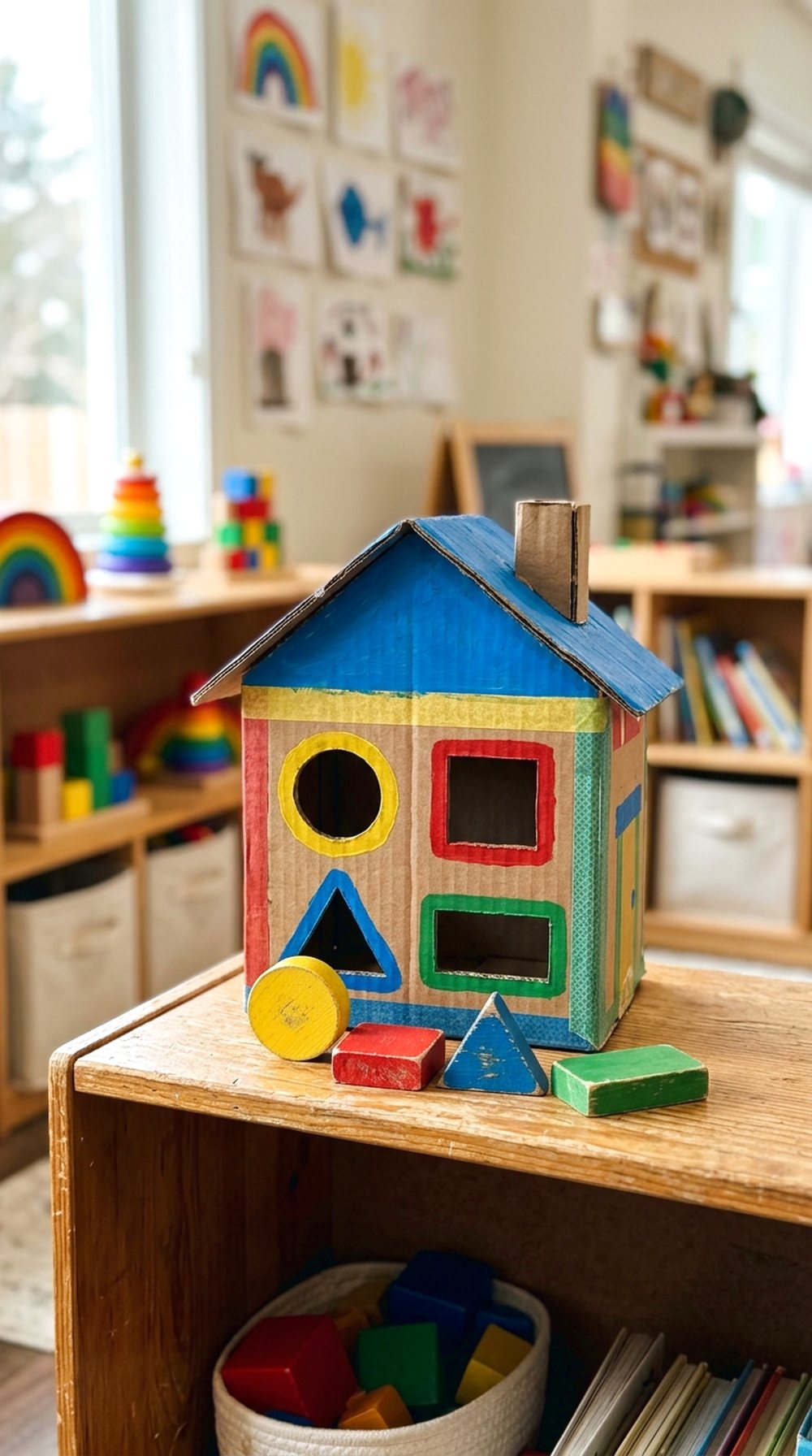
Shape sorting houses are great for teaching circles, squares, triangles, and rectangles. The cardboard house gives children a simple place to match and place each shape. Use it in a learning corner or shelf activity. Make each shape a different color so preschoolers can practice both shape names and color words together.
Color Match Flower Garden
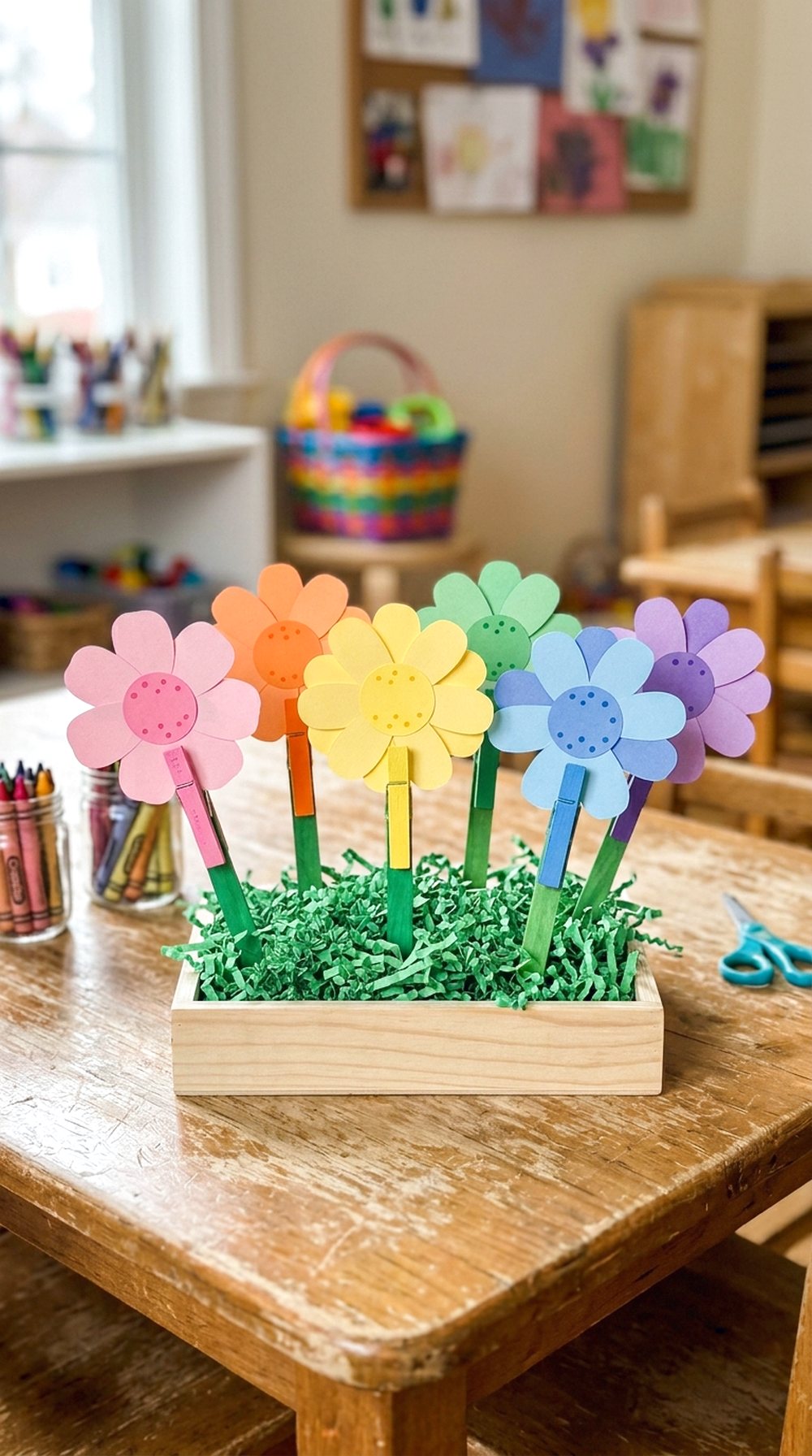
A color match flower garden brings a cheerful look to any preschool activity table. Children can match flower petals, centers, or clothespins by color. It supports sorting, color recognition, and hand strength. For a neat setup, place the flower pieces in small trays so children can choose and match them one at a time.
Weather Wheel Craft
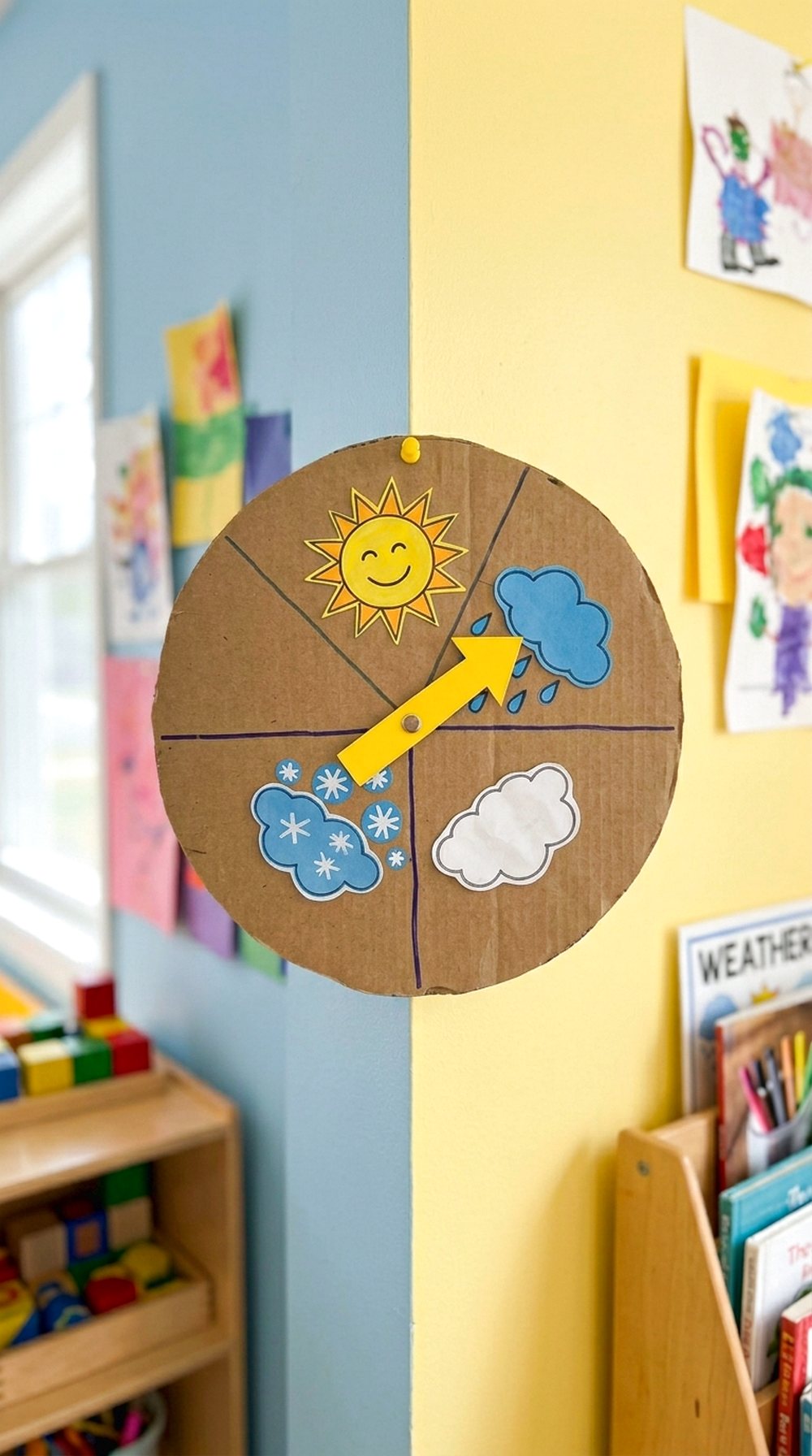
The weather wheel is a simple craft that helps children talk about sunny, rainy, cloudy, and windy days. It can hang near a classroom window or calendar board. Preschoolers can move the arrow each morning. Keep the pictures simple and bold, so children can understand the weather choices without needing to read.
Name Puzzle Strips
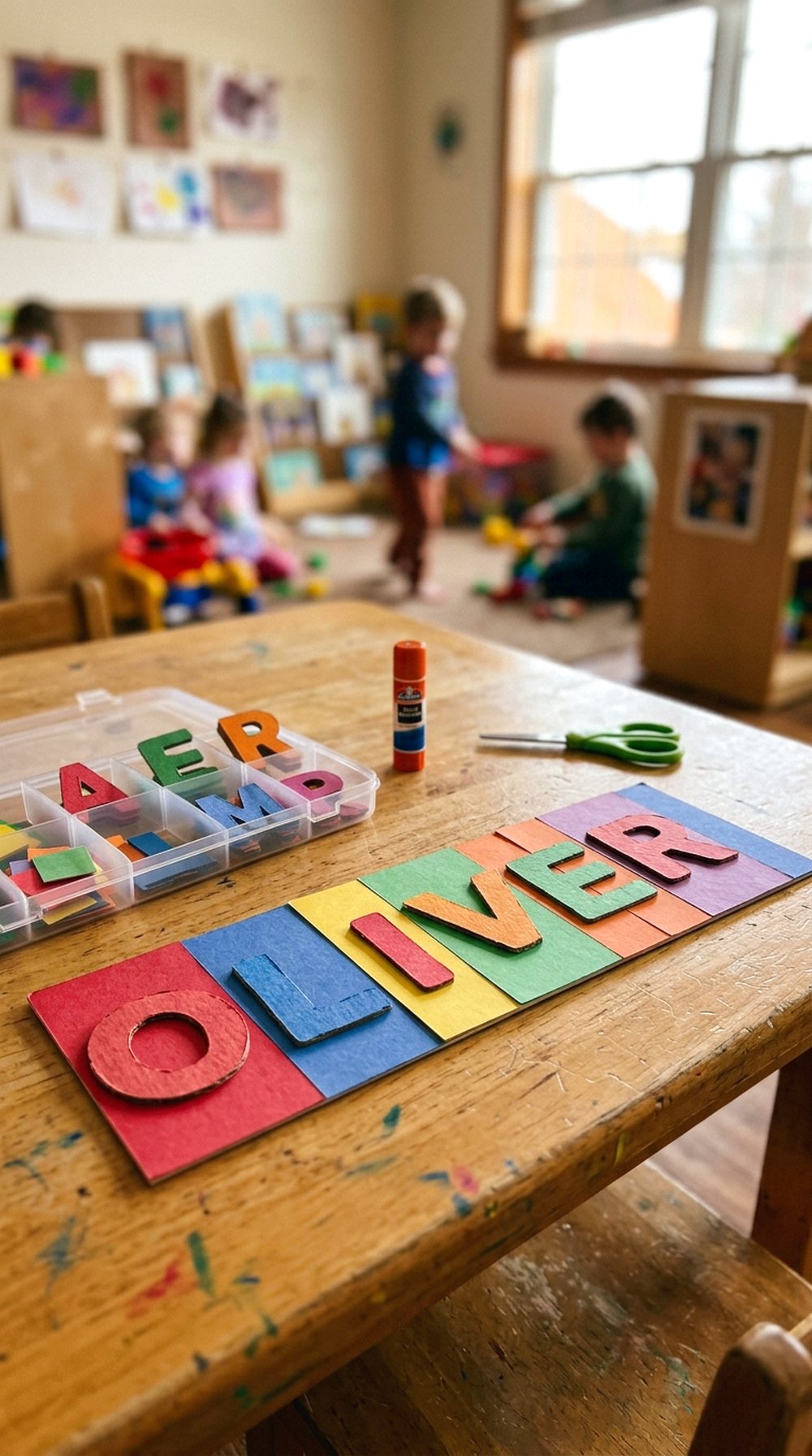
Name puzzle strips help preschoolers recognize the letters in their own names. Each strip can be cut into letter pieces, then matched back in order. Use this craft at a literacy table or morning station. Try using one color for each child’s name to keep pieces organized and easy to find.
Number Parking Lot
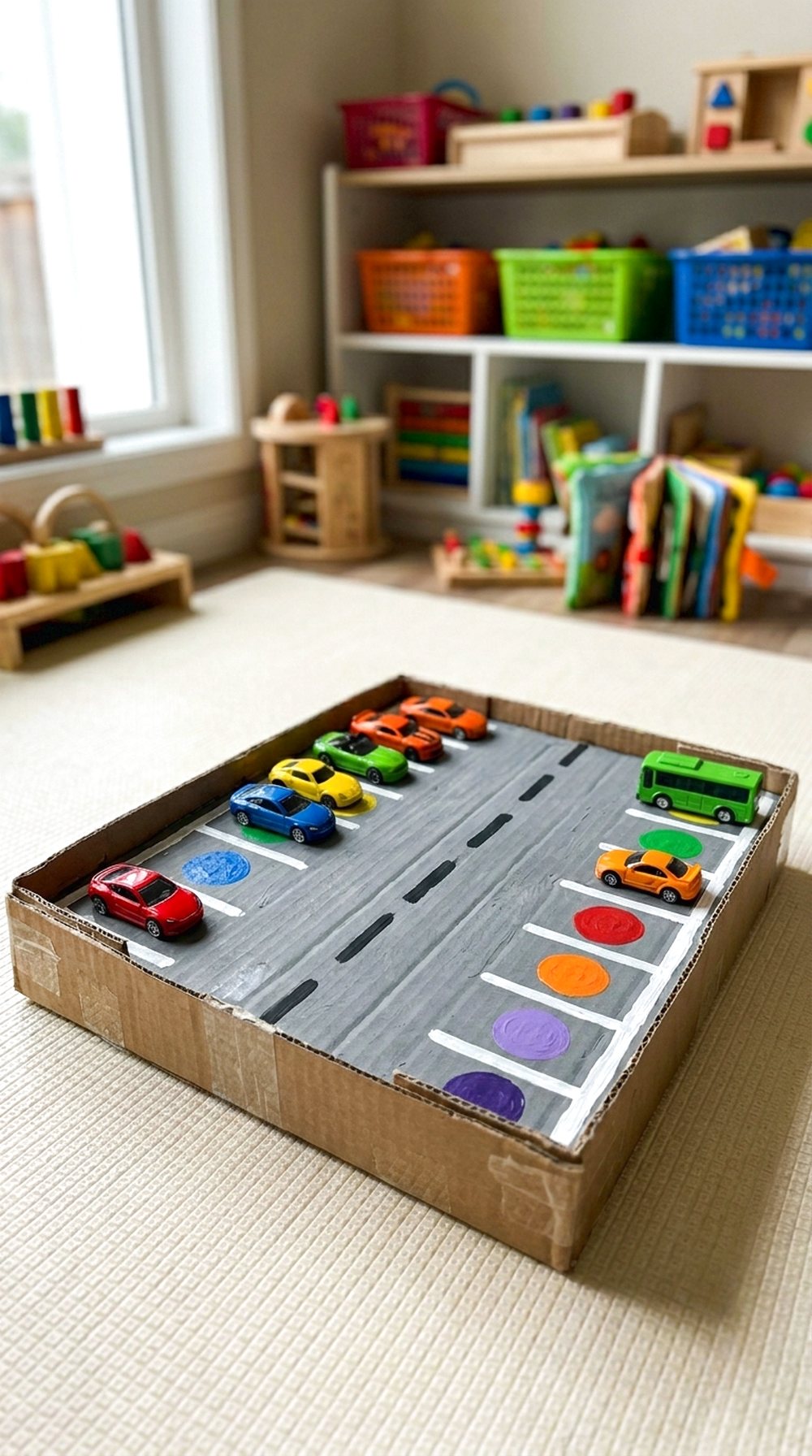
A number parking lot turns number practice into pretend play. Children can park toy cars on matching numbered spaces, which makes counting feel active and fun. It works nicely on a play mat, floor area, or math center. Add dots beside each number so children can count before parking each car.
Emotion Face Plates
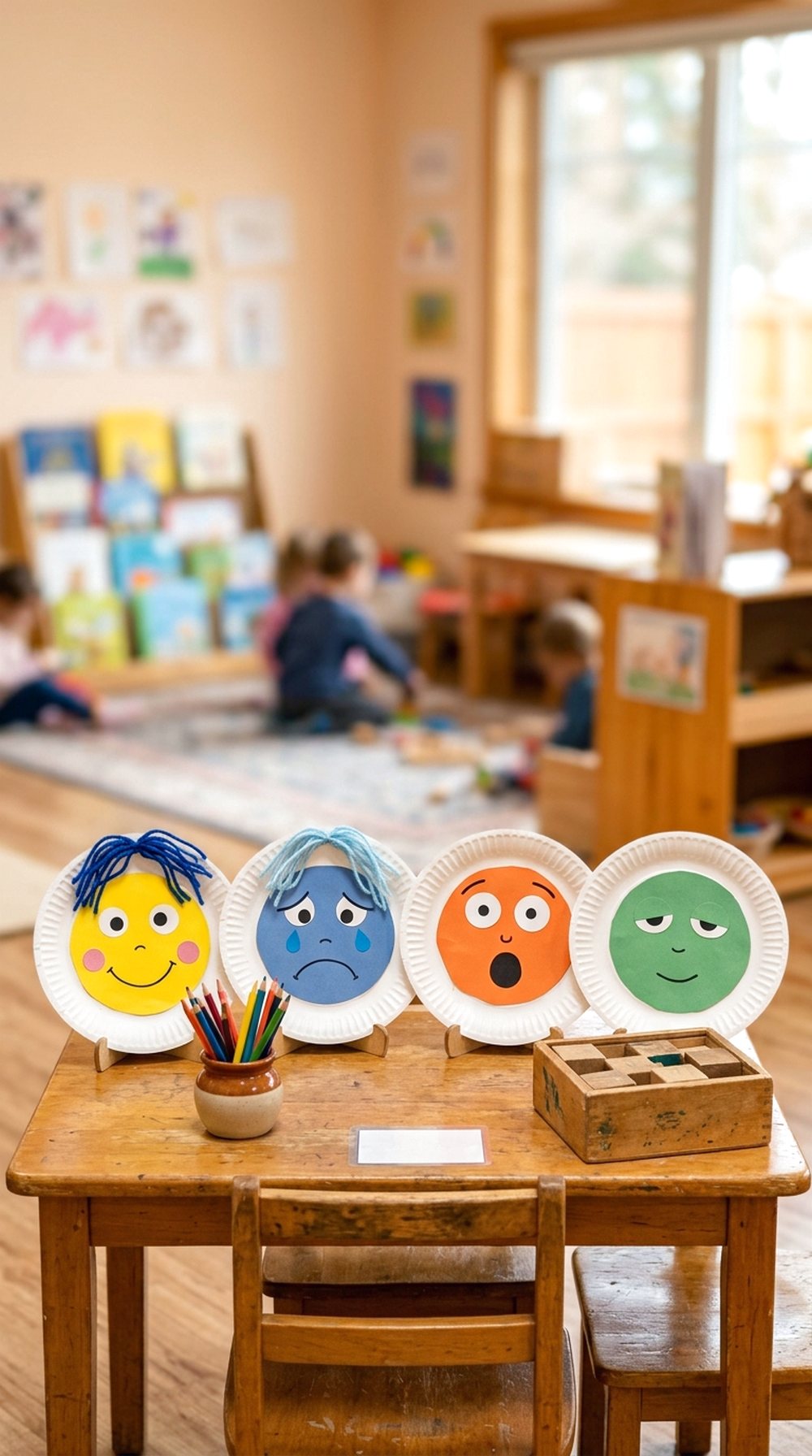
Emotion face plates help preschoolers learn about feelings in a simple, visual way. Children can make faces for happy, sad, angry, surprised, or calm. Use them during story time or social-emotional learning. Add yarn hair, paper eyebrows, and different mouth shapes to help children notice how faces show emotions.
Conclusion
Preschool learning works best when children can touch, move, match, and create. These educational crafts keep activities simple while still teaching important early skills. Pick one idea that fits your lesson or home activity, gather basic supplies, and let children learn through a craft they can enjoy.
FAQs
1. What crafts are best for preschool learning?
Simple crafts that teach letters, numbers, shapes, colors, names, weather, and emotions are best for preschool learning.
2. Do these crafts need expensive supplies?
No. Most of these ideas use basic items like paper plates, cardboard, beads, markers, glue, and colored paper.
3. Can preschoolers do these crafts alone?
Some children may need help with cutting, folding, or small pieces. The matching, sorting, and decorating parts are usually child-friendly.
4. Are these crafts good for classroom centers?
Yes. Many of these crafts work well for literacy, math, art, sensory, and social-emotional learning centers.