

Fluted wood panel walls have a way of making a room feel warmer, richer, and more designed without needing a full renovation. They add texture, rhythm, and that clean architectural look people love, while still feeling inviting enough for everyday living. In today’s interiors, this detail works beautifully in bedrooms, living rooms, entryways, dining spaces, and even small forgotten corners that need personality. The best part is how flexible fluted wood can be. It can look soft and minimal, bold and dramatic, or light and organic depending on the stain, spacing, and styling around it. This collection brings together ten practical fluted wood panel wall ideas that feel stylish but still livable. Whether you want a subtle accent or a statement wall, these ideas will help you create a polished home with depth, warmth, and lasting charm.
Quick List:
- Floor-to-Ceiling Living Room Accent Wall
- Fluted Wood Headboard Feature Wall
- Entryway Niche with Fluted Panels
- Dining Room Panel Wall with Warm Lighting
- TV Wall with Hidden Storage Look
- Half-Wall Fluted Panel Treatment
- Dark Stained Moody Statement Wall
- Light Oak Reading Corner Backdrop
- Fluted Wall Framing a Fireplace
- Minimal Hallway Texture Wall
Floor-to-Ceiling Living Room Accent Wall
A floor-to-ceiling fluted wood panel wall instantly gives a living room a custom designer feel. The vertical lines draw the eye upward, making average ceilings look taller and the whole room feel more refined. This idea works especially well behind a sofa or across the main focal wall to add warmth without clutter. Choose a medium wood tone for balance, then keep surrounding furniture simple. Layer in soft textiles, black accents, and a few sculptural pieces so the textured wall stays the star of the space.
Best For: Medium to large living rooms that need warmth and structure.
Where To Place It: Behind the main sofa or on the room’s focal wall.
Color Palette Tip: Pair warm oak tones with cream, beige, charcoal, and muted black.
Materials / Items Needed: fluted wood panels, wall adhesive, nails, level, wood stain, trim pieces
Budget Level: Medium — great visual impact without a full remodel.
DIY Difficulty: Medium — careful measuring and alignment matter most.
Style It Like This: Use a low-profile sofa; add a textured rug; keep decor sculptural and minimal.
Common Mistake To Avoid: Overfilling the wall area with busy art or shelves.
Fluted Wood Headboard Feature Wall

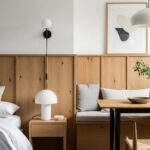
Using fluted wood panels as a full headboard feature wall makes a bedroom feel calm, elevated, and intentionally styled. Instead of a traditional headboard, the wall itself becomes the statement, giving the bed a grounded and luxurious backdrop. Extend the panels from floor to ceiling for a boutique hotel effect, or stop slightly above nightstand height for a softer approach. Choose lighter wood tones for an airy mood or walnut shades for depth. Finish the setup with layered bedding, warm lamps, and minimal artwork for a balanced, restful room.
Best For: Bedrooms that need a strong focal point without extra furniture bulk.
Where To Place It: Directly behind the bed, spanning the full bed width or entire wall.
Color Palette Tip: Soft taupe, ivory, camel, and warm brown create a soothing look.
Materials / Items Needed: fluted panels, wood backing, adhesive, screws, stain or sealant, finishing trim
Budget Level: Medium — replaces the need for an oversized headboard.
DIY Difficulty: Medium — straight placement is key around bed centering.
Style It Like This: Use floating nightstands; add warm bedside lighting; keep bedding layered but neutral.
Common Mistake To Avoid: Choosing panel spacing that feels too narrow and visually busy.
Entryway Niche with Fluted Panels

A fluted wood panel treatment inside an entryway niche creates a welcoming first impression and makes a small space feel thoughtfully designed. Even a narrow wall section can look high end when texture is added in a clean, vertical pattern. This is a smart way to highlight a bench, console, or coat hook area without taking over the entire foyer. Use warm wood finishes to make the entrance feel inviting, then style lightly with a mirror, basket, and simple lighting. The result feels polished, practical, and easy to maintain daily.
Best For: Small foyers, narrow entrances, and apartment entry spaces.
Where To Place It: Inside a recessed niche or directly behind an entry bench.
Color Palette Tip: Mix honey wood with white walls, matte black hooks, and soft greige accents.
Materials / Items Needed: fluted wood strips, backing board, adhesive, hooks, bench, mirror, wall anchors
Budget Level: Low to Medium — ideal for upgrading a compact area.
DIY Difficulty: Easy to Medium — easier when covering one contained section.
Style It Like This: Add a slim bench; hang a rounded mirror; use one basket for hidden clutter.
Common Mistake To Avoid: Making the space feel crowded with too many decorative items.
Dining Room Panel Wall with Warm Lighting

A dining room fluted wood wall feels elegant without being too formal, especially when paired with warm layered lighting. The texture adds visual interest behind a dining table and helps the room feel finished, even with simple furniture. This idea works beautifully on one main wall, where sconces or a pendant can cast soft shadows across the grooves and highlight the pattern. Choose wood tones that complement your table rather than match it exactly. Add linen curtains, ceramic decor, and understated seating to keep the space welcoming and stylish for gatherings.
Best For: Dining rooms that need texture and a more intimate atmosphere.
Where To Place It: On the wall behind the dining table or sideboard.
Color Palette Tip: Blend warm brown wood with ivory, clay, olive, and brushed brass tones.
Materials / Items Needed: fluted panels, wall adhesive, trim, sconces or pendant lighting, measuring tape, level
Budget Level: Medium — lighting and paneling create a high-end effect together.
DIY Difficulty: Medium — plan around electrical fixtures before installation.
Style It Like This: Use soft linen drapes; choose simple chairs; add ceramics with organic shapes.
Common Mistake To Avoid: Matching every wood tone too perfectly, which can look flat.
TV Wall with Hidden Storage Look

A fluted wood TV wall can make everyday media storage feel sleek, intentional, and far less bulky. The vertical texture softens the harsh look of a television while helping the whole wall read as one clean design feature. This works especially well when panels extend around floating cabinets or cover concealed storage doors for a seamless effect. Stick to simple finishes and avoid too many competing materials nearby. With the right layout, the entertainment zone feels modern, warm, and integrated into the room instead of looking like a separate tech-heavy corner.
Best For: Family rooms and open-plan spaces with visible media areas.
Where To Place It: Behind the TV and around floating cabinets or built-ins.
Color Palette Tip: Use medium walnut with black, warm white, and muted stone tones.
Materials / Items Needed: fluted panels, floating media unit, cable management kit, adhesive, screws, trim
Budget Level: Medium to High — depends on cabinetry and storage details.
DIY Difficulty: Medium to Hard — precision is important around outlets and screens.
Style It Like This: Hide cords completely; use a floating cabinet; keep accessories minimal and low.
Common Mistake To Avoid: Leaving visible cables that break the clean architectural look.
Half-Wall Fluted Panel Treatment

A half-wall fluted wood treatment is a smart choice when you want texture without committing to a full statement wall. It adds warmth and architectural detail while still leaving room for paint, art, or wallpaper above. This approach works beautifully in bedrooms, hallways, dining spaces, or home offices where full-height paneling may feel too heavy. Cap the top edge with a slim ledge or trim piece for a finished look. Pair it with soft wall paint and simple decor so the lower texture stands out while keeping the room airy and balanced.
Best For: Smaller rooms or renters wanting a lighter visual impact.
Where To Place It: Along lower wall sections in bedrooms, halls, or offices.
Color Palette Tip: Pair natural wood with warm white, sage, dusty blue, or soft greige.
Materials / Items Needed: half-height fluted panels, trim cap, adhesive, nails, level, paint for upper wall
Budget Level: Low to Medium — uses less material than a full wall.
DIY Difficulty: Easy to Medium — beginner-friendly with careful measuring.
Style It Like This: Paint the upper wall softly; add one ledge; keep decor simple and spaced out.
Common Mistake To Avoid: Choosing a cutoff height that feels awkward or randomly placed.
Dark Stained Moody Statement Wall

A dark stained fluted wood wall creates a dramatic mood that feels rich, cozy, and slightly luxurious. The grooves catch light in subtle ways, preventing the darker finish from feeling flat or heavy. This idea is perfect for rooms that need depth, especially when paired with soft textiles and layered lighting. Use it in a bedroom, office, or lounge where you want a cocooning atmosphere. Balance the darker wood with lighter upholstery, warm metallic accents, and simple shapes so the space stays sophisticated instead of overwhelming or visually closed in.
Best For: Bedrooms, lounges, and offices craving a moody upscale feel.
Where To Place It: Behind a bed, desk, or conversation area.
Color Palette Tip: Deep espresso wood pairs beautifully with cream, rust, bronze, and soft black.
Materials / Items Needed: fluted wood panels, dark stain, sealant, adhesive, accent lighting, trim
Budget Level: Medium — stain choice creates strong impact without extra decor.
DIY Difficulty: Medium — consistent stain application is important.
Style It Like This: Add warm lamps; use plush fabrics; keep furniture silhouettes clean and simple.
Common Mistake To Avoid: Making the whole room dark without enough contrast or lighting.
Light Oak Reading Corner Backdrop
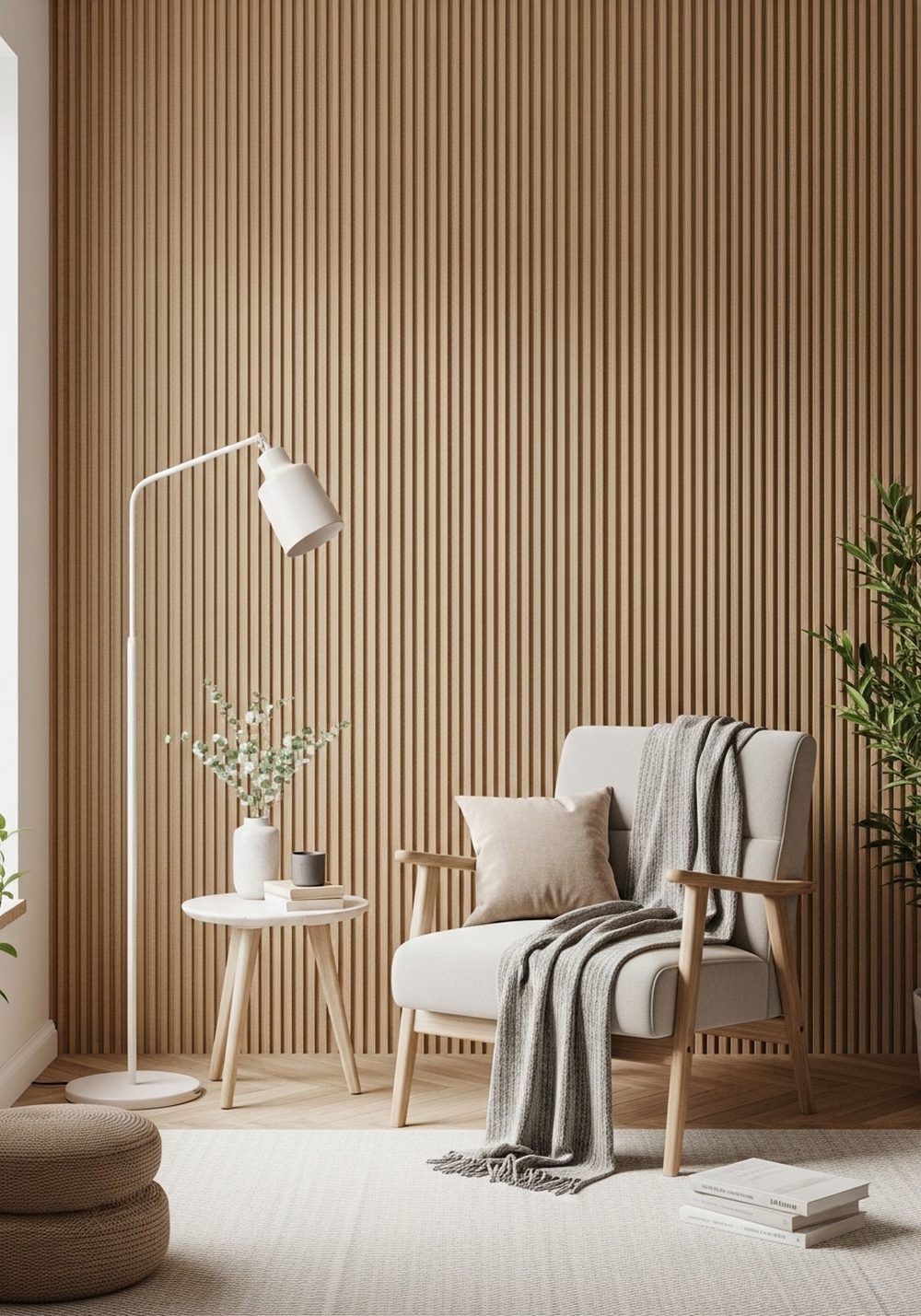
A light oak fluted panel backdrop can turn an unused corner into a cozy reading spot that feels intentional and inviting. The subtle texture gives the area definition without making it feel boxed in, which is especially helpful in open rooms or awkward corners. Place a comfortable chair, a small side table, and a floor lamp in front of the panel wall to create a compact retreat. Keep the wood finish pale and natural for a fresh look. The setup feels calm, warm, and beautifully simple for everyday unwinding.
Best For: Empty corners in bedrooms, living rooms, or loft spaces.
Where To Place It: Behind an accent chair or compact reading nook setup.
Color Palette Tip: Use pale oak with cream, oatmeal, soft gray, and muted olive.
Materials / Items Needed: light oak fluted panels, chair, floor lamp, side table, adhesive, trim
Budget Level: Low to Medium — perfect for refreshing a small area.
DIY Difficulty: Easy — small-scale installation is manageable for beginners.
Style It Like This: Add one cozy chair; include a small table; use warm reading light.
Common Mistake To Avoid: Choosing oversized furniture that swallows the nook.
Fluted Wall Framing a Fireplace

Framing a fireplace with fluted wood panels adds texture and makes the whole feature feel more architectural and custom built. The vertical lines contrast beautifully with the horizontal shape of a mantel, helping the fireplace stand out without needing heavy ornament. This idea works with modern, rustic, or transitional spaces depending on the wood tone and styling. Keep the area around the hearth clean, and let the paneling do most of the visual work. A few balanced accessories, soft seating, and warm lighting will make the room feel grounded and inviting.
Best For: Living rooms with fireplaces that need a cleaner focal point.
Where To Place It: On both sides of the fireplace or across the full chimney wall.
Color Palette Tip: Pair natural wood with limestone, white, charcoal, and warm beige.
Materials / Items Needed: fluted panels, heat-safe planning materials, trim, adhesive, mantel styling decor, level
Budget Level: Medium to High — depends on fireplace size and finish details.
DIY Difficulty: Hard — careful planning is needed near heat sources.
Style It Like This: Keep mantel decor minimal; balance both sides; use soft ambient lighting.
Common Mistake To Avoid: Ignoring clearance and safety considerations around the fireplace zone.
Minimal Hallway Texture Wall

A minimal hallway fluted wood wall brings life to a pass-through space that usually gets ignored. Because hallways are often narrow and plain, the added vertical texture makes them feel taller, more thoughtful, and visually connected to the rest of the home. This idea works best when kept simple, with clean lines and very little decor competing for attention. Choose a light to medium wood tone so the area stays open and welcoming. Add one slim console, one mirror, or subtle lighting, and let the panel texture create the polished finish.
Best For: Long hallways, narrow corridors, and plain transitional spaces.
Where To Place It: Along one uninterrupted hallway wall for maximum visual flow.
Color Palette Tip: Stick with soft oak, warm white, greige, and muted black details.
Materials / Items Needed: fluted panels, adhesive, trim, mirror, slim console, wall lighting, measuring tape
Budget Level: Low to Medium — a simple way to upgrade overlooked space.
DIY Difficulty: Easy to Medium — long straight runs need patience and accuracy.
Style It Like This: Keep accessories minimal; use one mirror; add a slim, narrow console.
Common Mistake To Avoid: Overdecorating a narrow hallway and making it feel tighter.
Conclusion
Fluted wood panel walls are one of those design details that instantly make a home feel more finished, textured, and intentional. Whether you use them in a bedroom, hallway, living room, or dining area, they bring warmth without sacrificing a clean modern look. Start with one wall that needs depth, choose a wood tone that suits your space, and keep the styling simple. Even a small fluted feature can completely change the mood.
FAQs
Q1: Are fluted wood panel walls still in style?
A: Yes, they still feel current because they add texture in a clean, architectural way.
They work especially well in modern, cozy, minimalist, and warm organic interiors.
Q2: Can I install fluted wood panels myself?
A: Yes, many smaller projects are DIY-friendly with the right measuring tools and patience.
Larger walls or areas around fireplaces and outlets usually need more careful planning.
Q3: Which rooms look best with fluted wood walls?
A: Living rooms, bedrooms, entryways, dining rooms, and hallways are all great options.
Even small corners can benefit from the added depth and visual rhythm.
Q4: What wood tone works best for fluted panels?
A: Light oak feels airy and relaxed, while medium walnut feels balanced and timeless.
Dark stains work best when the room has enough contrast and soft lighting.
Q5: Do fluted walls make a room look smaller?
A: Not usually, especially when the panels run vertically and the styling stays simple.
They often make ceilings feel taller and rooms feel more polished.