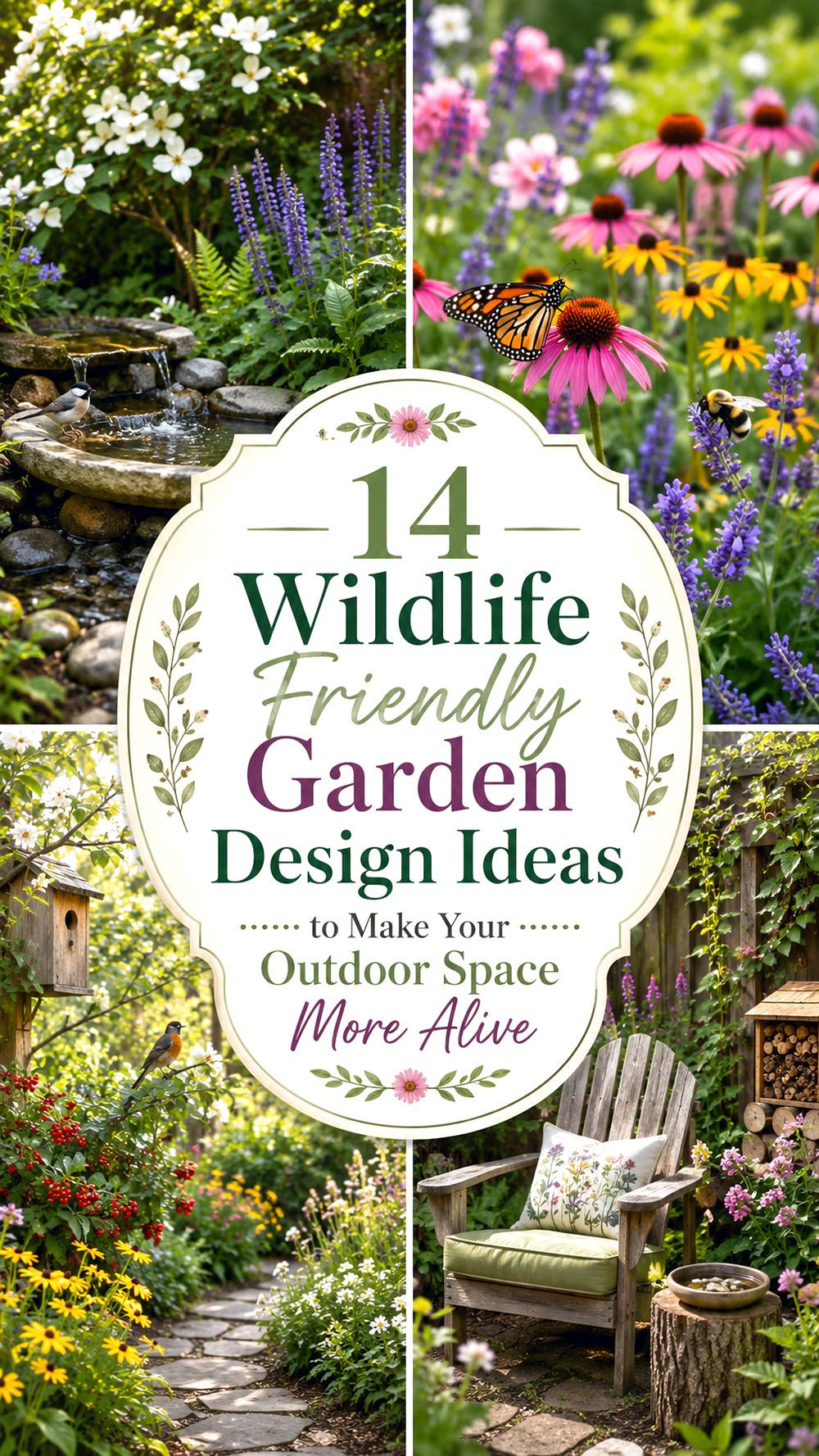

A wildlife friendly garden can look beautiful while also helping birds, bees, butterflies, and other small garden visitors. With a few simple design ideas, you can make your outdoor space feel more natural, useful, and inviting. These garden ideas add color, texture, and life while creating safe spots for feeding, resting, and nesting right in your own yard.
Why You’ll Love These Ideas
These ideas are easy to mix into small or large gardens without making the space feel messy. They are stylish, practical, and budget-friendly, and many of them also make your garden feel calmer and more alive. You get a pretty outdoor space while giving helpful support to local wildlife at the same time.
Quick List
- Pollinator Flower Border
- Bird Bath Corner
- Butterfly Feeding Patch
- Log Pile Habitat
- Small Pond Feature
- Hedge Nesting Screen
- Wildflower Meadow Patch
- Bee Hotel Wall Display
- Berry Shrub Border
- Climbing Vine Trellis
- Leafy Shade Shelter
- Pebble Water Station
- Natural Stone Path Planting
- Seed Head Winter Bed
Pollinator Flower Border

A flower border filled with native blooms brings color to the garden and gives bees and butterflies a steady food source. It works well along fences, paths, or around patios. This idea makes the space feel full and lively. Mix flower heights together for a softer, more natural garden look.
Bird Bath Corner
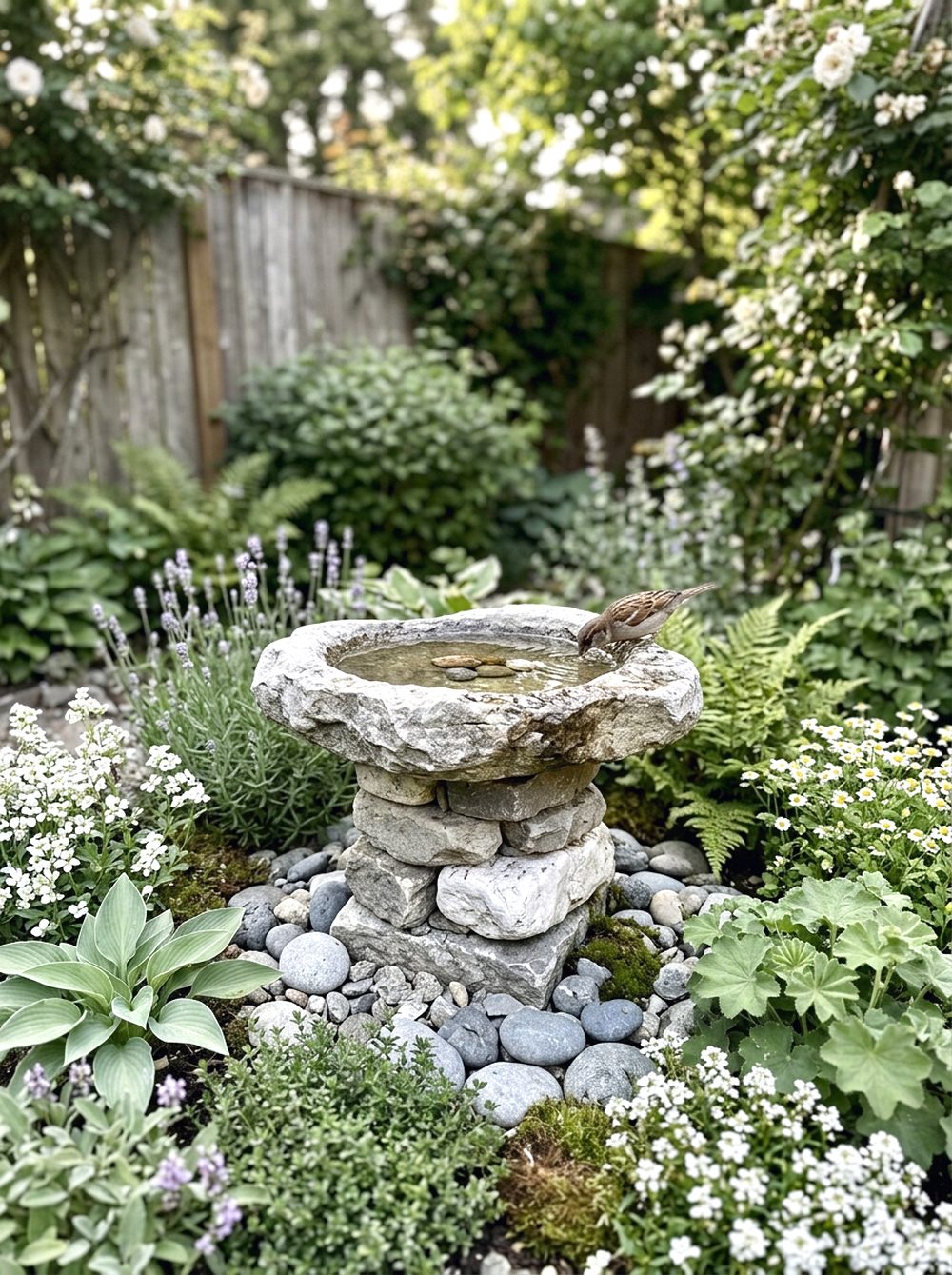
In one quiet corner, a simple bird bath can turn an empty spot into something useful and charming. Birds can drink, wash, and rest there during the day. It also adds a gentle decorative feature to the garden. Place low plants around it so the area feels safe and sheltered.
Butterfly Feeding Patch
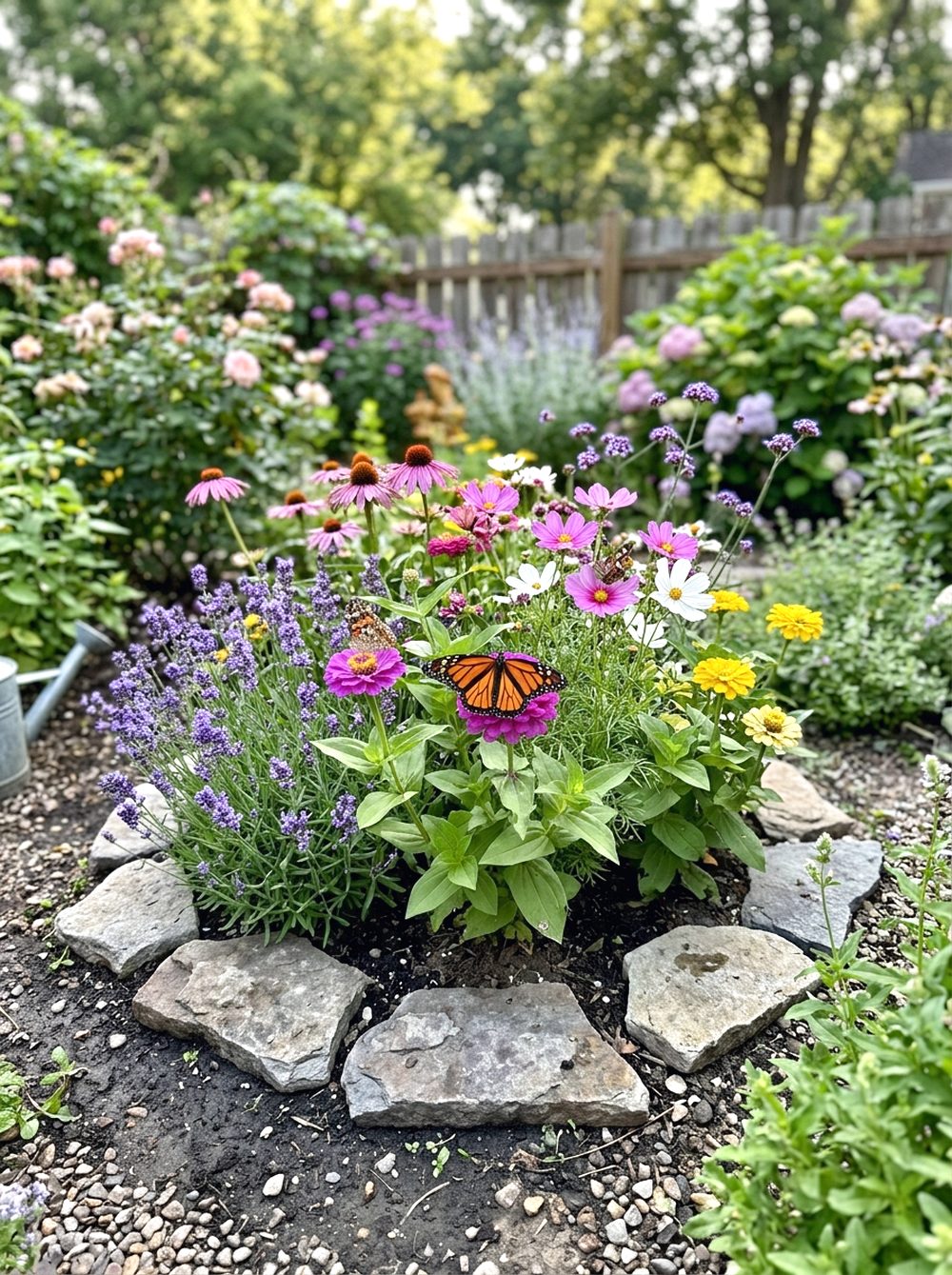
Bright nectar flowers grouped in one sunny patch can attract butterflies and make the garden feel cheerful. This works nicely near a path, sitting area, or fence line. It adds movement and color without much effort. Choose blooms in a few matching shades to keep the space looking neat.
Log Pile Habitat
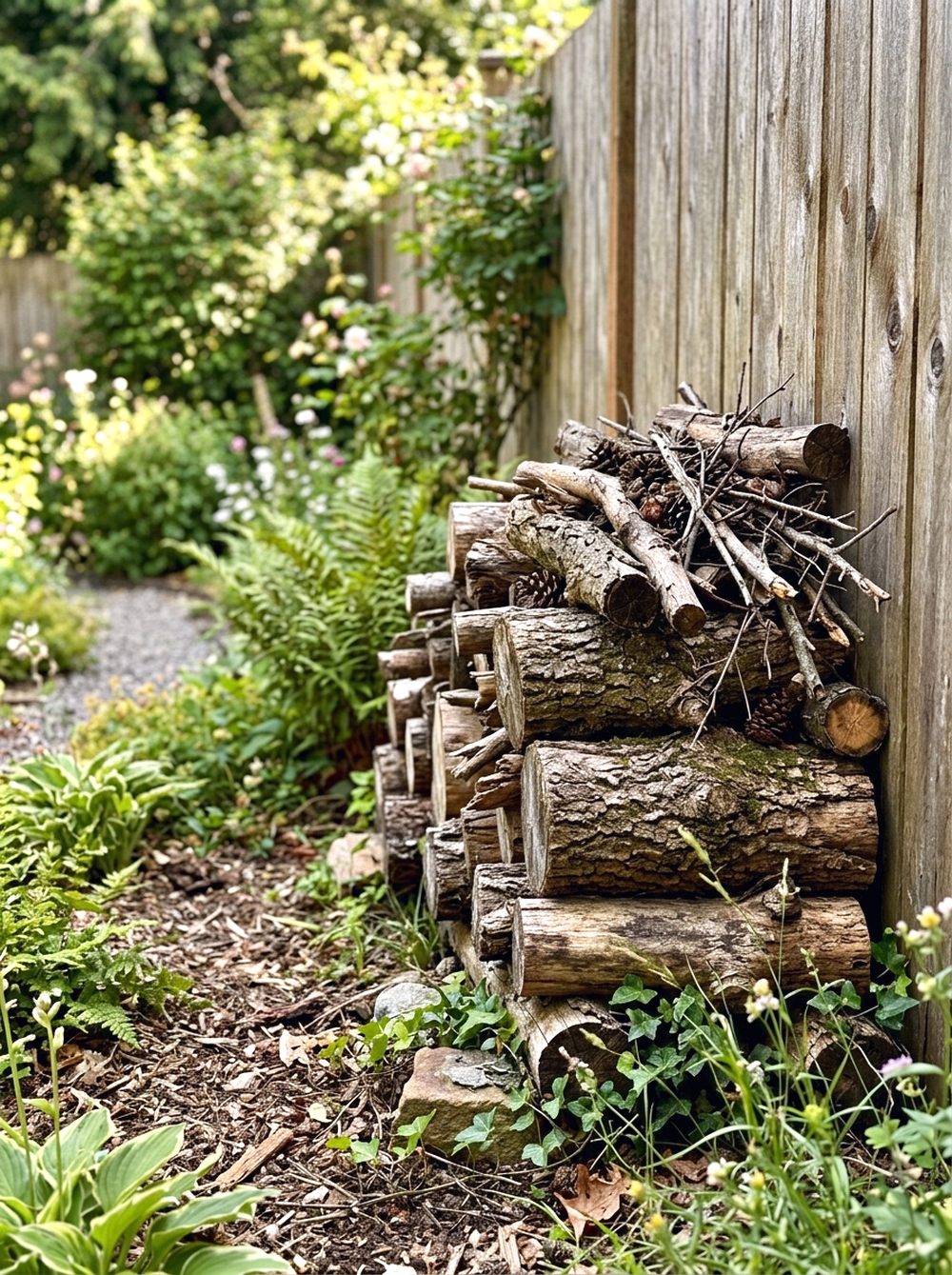
A stacked log pile may look simple, but it creates a natural hiding place for insects and other helpful garden creatures. It fits well in a back corner or near a fence. The rough wood texture also adds rustic character. Keep it tucked into planting so it blends into the garden.
Small Pond Feature
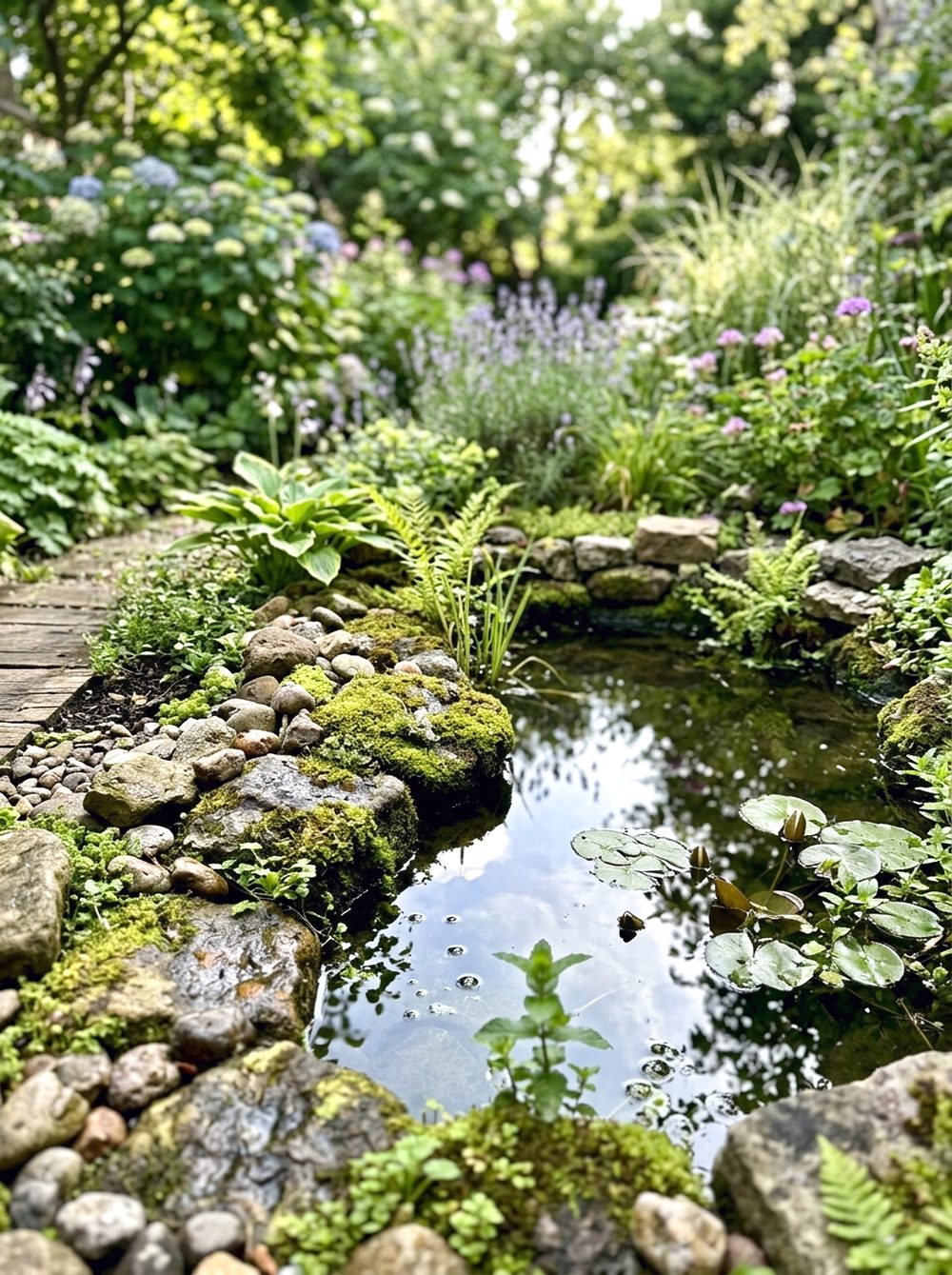
Nothing makes a garden feel more alive than a small pond with plants and stone edges. It supports birds, insects, and frogs while adding a peaceful focal point. Even a compact yard can hold one. Use soft greenery around the edge so the pond feels calm and naturally settled.
Hedge Nesting Screen

A thick hedge gives birds cover, shelter, and possible nesting space while also acting as a lovely green backdrop. It works well along boundaries or around seating areas. This design adds privacy and structure to the garden. Choose mixed shrubs for better texture and a more relaxed, layered finish.
Wildflower Meadow Patch
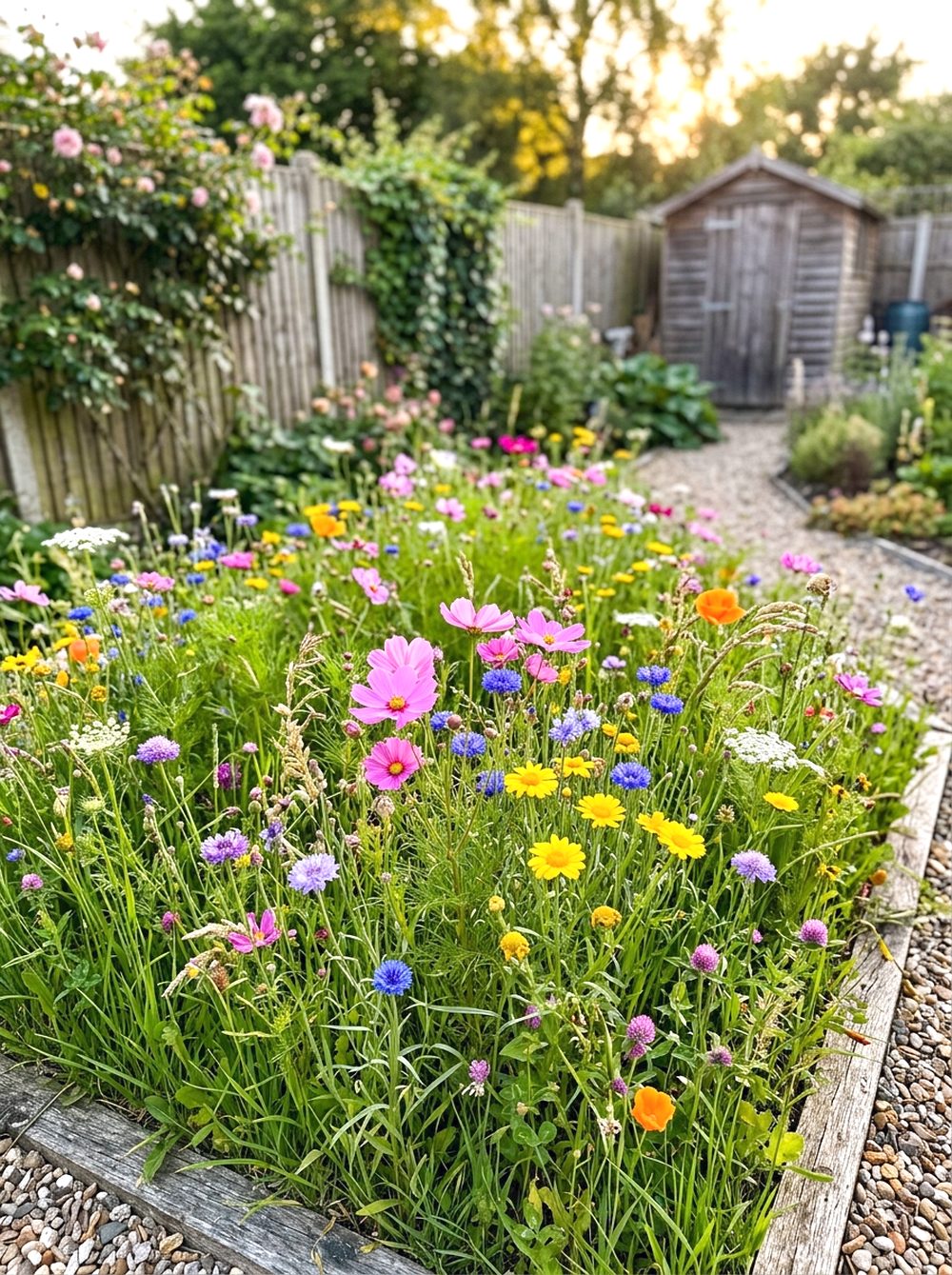
For a softer and more relaxed style, a wildflower patch brings a natural look that supports bees and butterflies. It suits open spaces, side yards, or sunny borders. The mix of colors keeps the garden interesting. Let the planting grow a little freely so it keeps that easy meadow feel.
Bee Hotel Wall Display
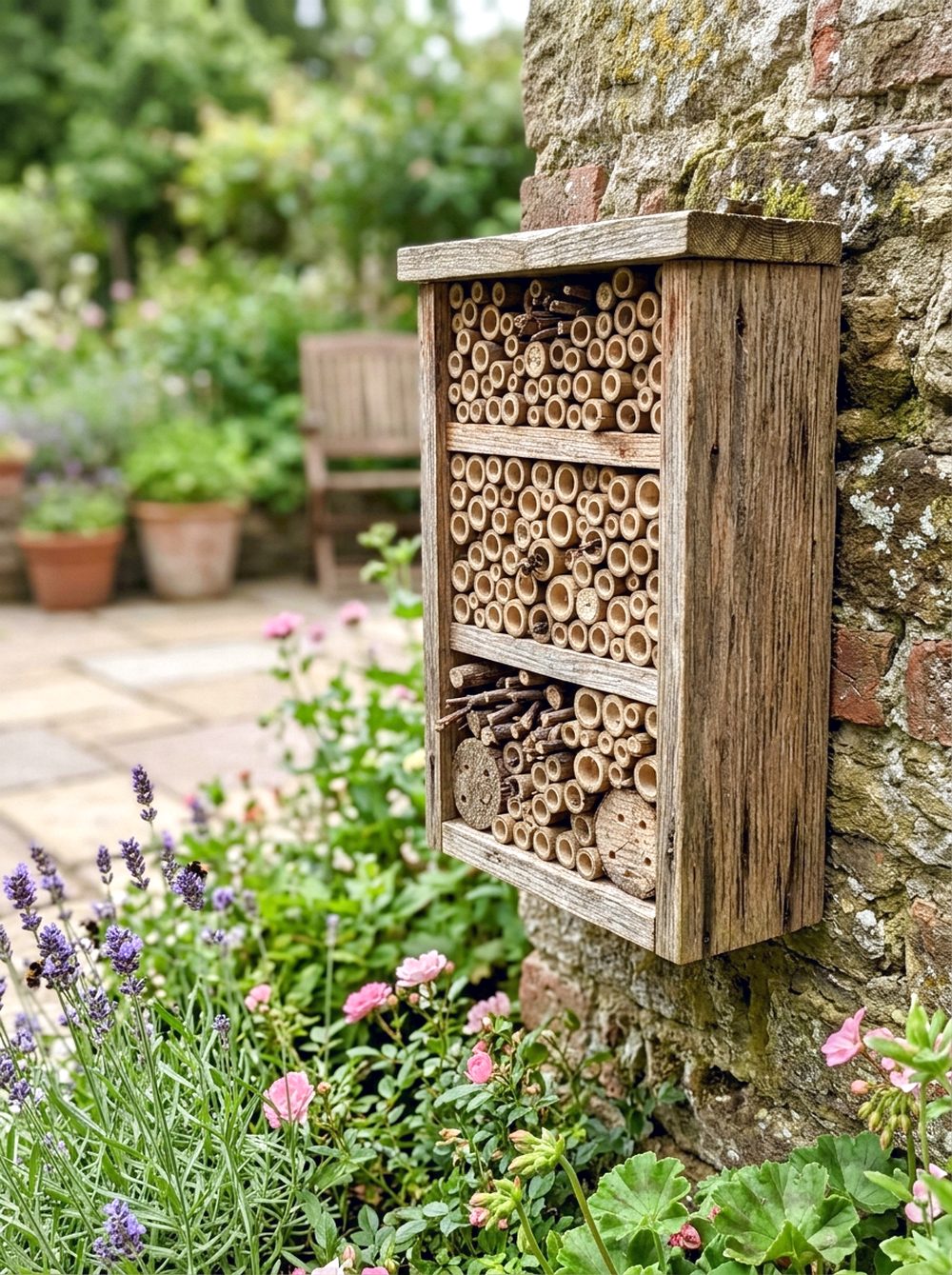
Mounted on a wall or fence, a handmade bee hotel adds both purpose and a decorative touch. It helps support pollinators while filling a blank vertical spot in the garden. The natural wood texture looks warm and simple. Place it near flowering plants so it feels connected to the space.
Berry Shrub Border

Berry shrubs can create a useful border that looks lush and also feeds birds. They work well along paths, fences, or garden edges where you want more structure. This idea adds greenery through much of the year. Use mulch underneath to keep the planting tidy and easy to maintain.
Climbing Vine Trellis
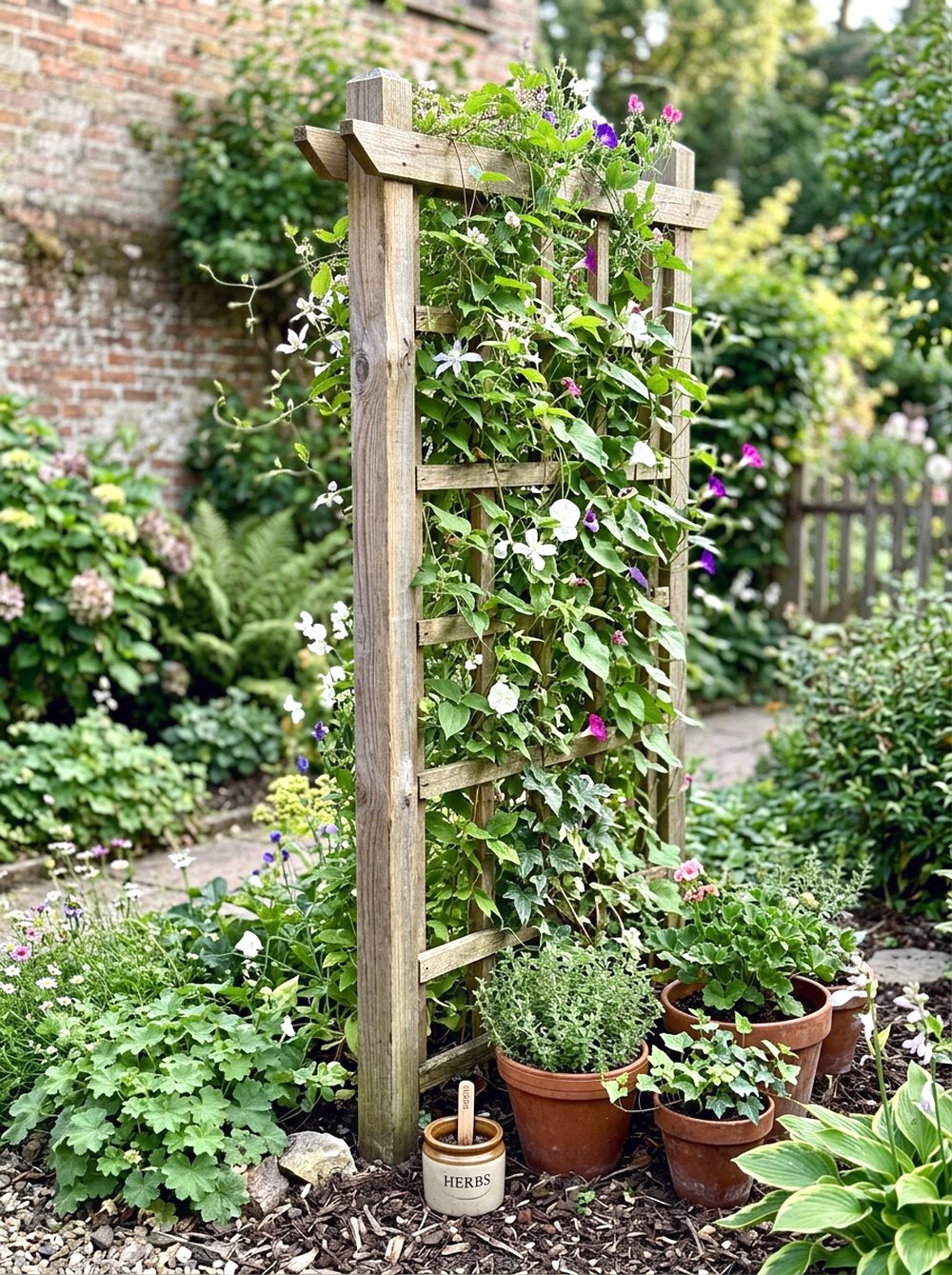
A trellis covered in climbing vines can soften a plain corner and offer extra shelter for garden wildlife. It is a smart choice for small spaces because it adds height without taking much room. The vertical greenery feels fresh and calm. Pair it with simple pots for a balanced look.
Leafy Shade Shelter
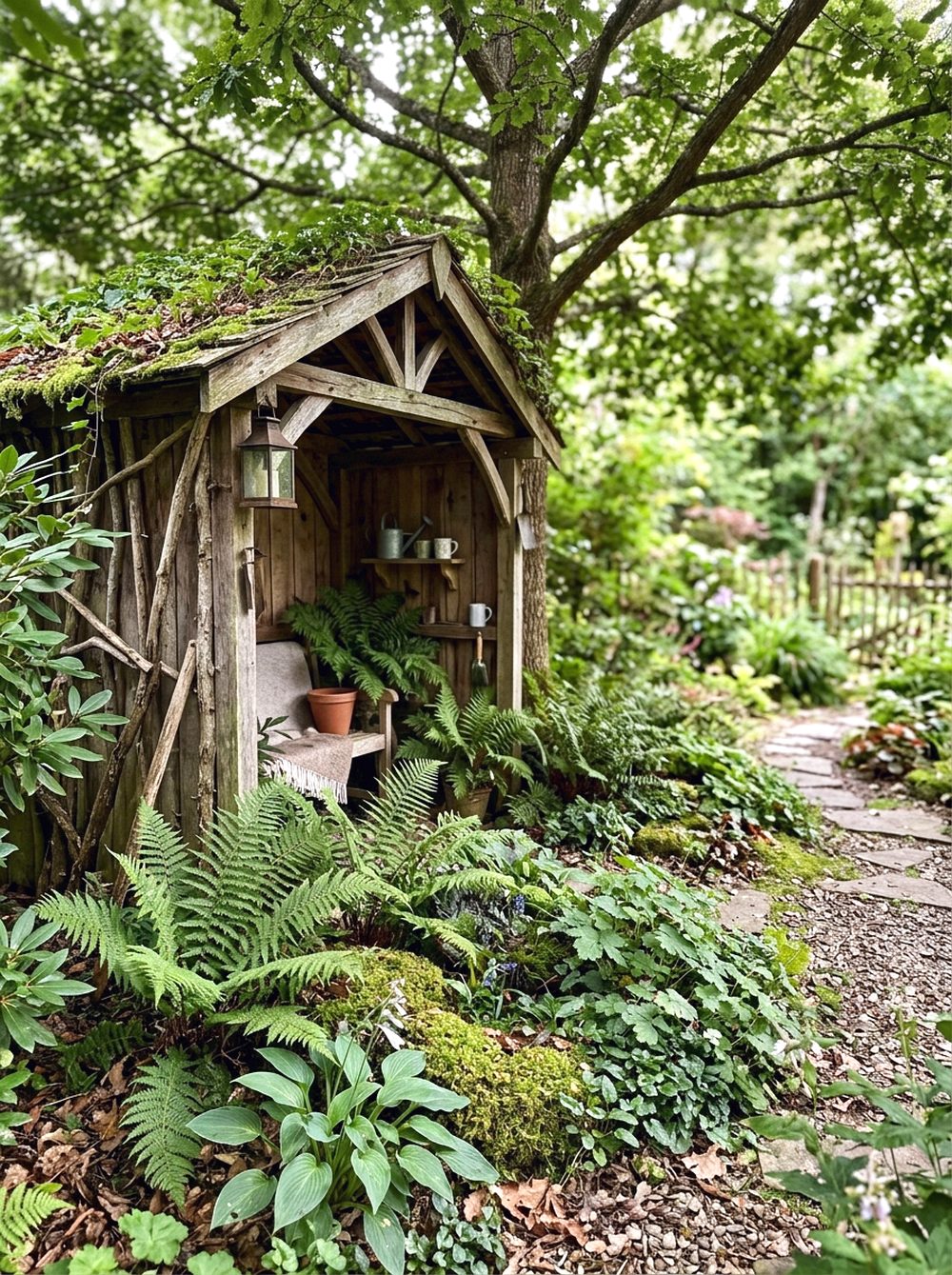
Under a tree or in a cool side area, leafy plants can create a shady retreat for small creatures and make the garden feel fuller. Ferns and ground cover work especially well here. This design adds depth and softness. Layer different leaf shapes together for a richer, more natural finish.
Pebble Water Station

A shallow water bowl with pebbles is an easy way to help insects and small birds safely reach water. It fits on a table, low stand, or tucked into a flower bed. The look stays simple and clean. Refresh the water often so the feature stays attractive and useful.
Natural Stone Path Planting

Stone paths with soft planting along the edges make the garden feel welcoming while giving small creatures more places to move through. This design works beautifully in front yards or back gardens. It also adds structure without looking too formal. Let low plants spill slightly over the edges for charm.
Seed Head Winter Bed

Leaving seed heads and ornamental grasses in place during colder months gives birds food and shelter when the garden looks quieter. It also adds beautiful texture to winter beds. This idea keeps the garden interesting across seasons. Mix dried shapes and soft grasses so the bed still feels styled.
Conclusion
A wildlife friendly garden does not need to be complicated or expensive to look beautiful. Small changes like adding water, flowers, shelter, and natural textures can make a big difference. Try a few of these ideas to create a garden that feels peaceful, useful, and full of life all year.
FAQs
1. What makes a garden wildlife friendly?
A wildlife friendly garden offers food, water, shelter, and safe places for birds, bees, butterflies, and other small creatures.
2. Can I make a wildlife garden in a small space?
Yes, even a small yard, balcony, or patio can support wildlife with flowers, water bowls, and vertical planting.
3. Do wildlife friendly gardens have to look messy?
No, they can look clean and stylish while still including helpful features like native plants, hedges, and water spots.
4. What is the easiest idea to start with?
A pollinator flower border or a simple pebble water station is an easy and affordable place to begin.